As an Amazon Associate, we earn from qualifying purchases. Some links on this site are affiliate links at no extra cost to you. Our recommendations are based on thorough research and editorial judgment.


Biodegradable Phone Cases: Environmental Impact and Durability

Biodegradable phone cases present an eco-friendly alternative to traditional plastic options. Made from sustainable materials like cornstarch and bamboo, these cases decompose within a few years, unlike plastic, which can linger for decades. They offer comparable durability, protecting devices from drops and scratches. In addition, biodegradables have up to a 50% lower carbon footprint due to energy-efficient production. Understanding the benefits and addressing common myths are essential for making informed choices; additional insights are available for those interested.
Key Takeaways
- Biodegradable phone cases, made from materials like cornstarch and bamboo, significantly reduce landfill waste by decomposing within a few years.
- They have a carbon footprint up to 50% lower than traditional plastic cases due to sustainable manufacturing processes.
- Unlike traditional cases that release harmful substances, biodegradable options promote soil health by breaking down without toxins.
- Many biodegradable cases offer strong protection from drops and scratches, dispelling myths about poor durability.
- Consumer choices for biodegradable cases encourage innovation, plastic pollution reduction, and foster a culture of environmental responsibility.
Overview of the Environmental Impact of Traditional Phone Cases

You may be interested



Traditional phone cases, often molded from polycarbonate or polyurethane, present a significant environmental challenge due to their non-biodegradable nature. Each year, approximately 1.6 billion of these traditional plastic cases end up in landfills, escalating plastic pollution and waste issues. Their production process is energy-intensive, which increases their carbon footprint and contributes to greenhouse gas emissions. While using these cases offers short-term benefits, their long-term impact includes the potential for harmful substances to leach into soil and water during degradation. In addition, most consumers overlook recycling options, making the situation far worse. Biodegradable alternatives exist and are vital in mitigating this impact, promising reduced environmental harm and a path towards more sustainable consumer practices. Some biodegradable phone cases, such as those by Pela, are made from plant-based materials, which are designed to be both eco-friendly and functional.
The Production Life Cycle of Traditional Phone Cases

The life cycle of phone case production begins with the extraction of non-renewable resources. These materials, primarily polycarbonate and polyurethane, require energy-intensive production processes. Consequently, this leads to high carbon emissions and a significant ecological footprint. Once manufactured, these traditional cases contribute to severe environmental impact. Approximately 1.6 billion plastic cases are discarded annually, primarily ending up in landfills, where they do not biodegrade. Instead, they release harmful substances over decades, exacerbating plastic waste and environmental challenges. Additionally, most consumers overlook recycling options, compounding the issue. Hence, the traditional phone case production life cycle poses substantial risks, highlighting the need for more sustainable alternatives in the industry. This unsustainable cycle invites serious consideration for eco-friendly solutions. The use of biodegradable materials in phone cases presents a viable solution, as it aligns with compostability standards like EN 13432, reducing plastic waste and promoting a greener future.
Advantages of Biodegradable Phone Cases
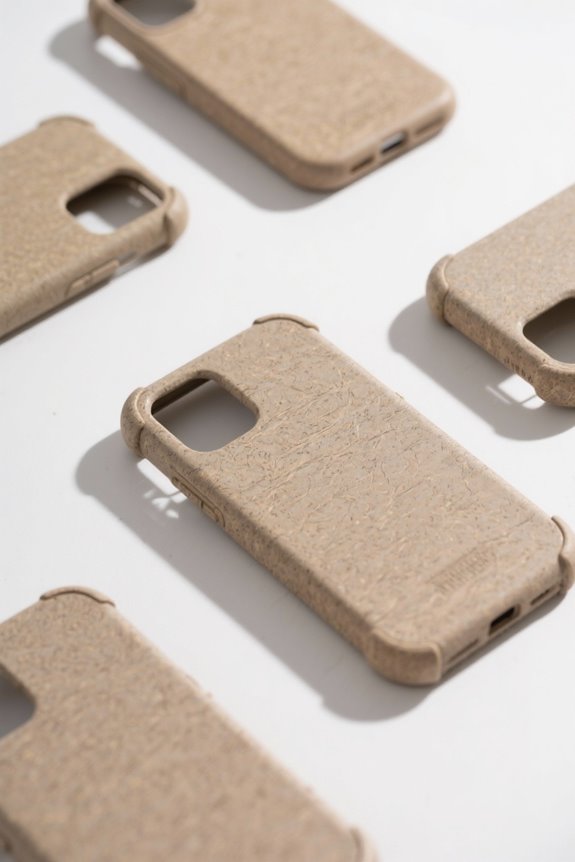
While exploring sustainable options for device protection, biodegradable phone cases have emerged as a promising alternative to their plastic counterparts. Made from sustainable materials like cornstarch and bamboo, these eco-friendly phone cases decompose naturally, markedly reducing landfill waste. Unlike traditional plastic cases, which can take up to 100 years to break down, biodegradable options decompose within just a few years. Additionally, their production involves lower carbon emissions and energy-efficient methods, positively affecting the environment. Biodegradable cases provide robust protection, safeguarding devices from drops and scratches without sacrificing durability. Importantly, they promote soil health by not releasing harmful substances during decomposition, helping to reduce plastic pollution and protect wildlife habitats. These advantages position biodegradable phone cases as a wise choice for environmentally conscious consumers. Many eco-friendly cases are designed to accommodate wireless charging, ensuring that environmentally conscious consumers do not have to compromise on functionality.
Recommended Products

The Only Case With $500 Guaranteed Protection: Keep your device safe with a Pela Case and our liquid screen protector. If your screen cracks while using both, we’ll cover the repair costs—guaranteed!

The Only Case With $500 Guaranteed Protection: Keep your device safe with a Pela Case and our liquid screen protector. If your screen cracks while using both, we’ll cover the repair costs—guaranteed!

[Superior Sound Quality Personal Hearing Amplifier] - Our hearing amplifiers for seniors feature advanced sound processing technology to deliver crystal-clear audio. The intelligent chip accurately recognizes human voices while filtering out buzzing and background noise, ensuring a natural listening experience in any environment—quiet or noisy.
Materials Used in Biodegradable Phone Cases

In the domain of eco-friendly device protection, materials play an essential role in defining the effectiveness and sustainability of biodegradable phone cases. These cases often utilize biodegradable materials derived from plant-based substances like cornstarch, bamboo, and wheat straw. Such eco-friendly options are renewable and can decompose naturally, offering notable environmental benefits. Most biodegradable cases contain at least 45% plant-derived content, enhancing their environmentally friendly attributes while maintaining durability. Innovative materials, such as flax shive, further contribute to strength and guarantee the cases are fully compostable within three to six months. Manufacturers focus on sustainable sourcing practices, guaranteeing that their biodegradable materials are non-toxic and minimize environmental impact compared to traditional cases, which rely heavily on petroleum-based plastics. Many bamboo phone cases are crafted from FSC Certified materials, ensuring responsible forestry practices and a commitment to sustainability.
Recommended Products

NATURAL: Made from plants, Organicore is 100% compostable in a compostable environment

THE GREEN ALTERNATIVE - Biodegradable material made from wheat mix & organic plastic

The Only Case With $500 Guaranteed Protection: Keep your device safe with a Pela Case and our liquid screen protector. If your screen cracks while using both, we’ll cover the repair costs—guaranteed!
Environmental Benefits of Biodegradable Alternatives

Biodegradable phone cases offer considerable environmental advantages by utilizing materials that break down naturally over a few years. These eco-friendly phone cases, made from sustainable materials like cornstarch and bamboo, drastically reduce landfill waste. While traditional plastic cases can take up to 100 years to decompose, biodegradable cases can considerably reduce the amount of waste entering landfills each year. With approximately 1.6 billion plastic phone cases discarded annually, the shift toward biodegradable alternatives helps address pressing environmental issues. Importantly, these cases do not emit harmful substances or greenhouse gases during their decomposition, supporting soil health and protecting wildlife. By promoting a circular economy and conservation of resources, biodegradable alternatives represent a promising step towards more environmentally friendly consumer choices. Certification labels, such as EN 13432, ensure that these biodegradable materials meet compostability standards and minimize environmental impact.
Comparative Analysis of Carbon Footprint
Evaluating the carbon footprint of biodegradable phone cases reveals striking differences compared to traditional plastic options. Biodegradable phone cases, typically crafted from renewable materials like cornstarch or bamboo, can exhibit a carbon footprint up to 50% lower. This reduction stems from sustainable manufacturing processes, which consume less energy and generate fewer greenhouse gas emissions. Additionally, the cultivation of materials like bamboo actively absorbs CO2, further diminishing their overall impact. Traditional plastic cases, in contrast, contribute to environmental degradation, lasting up to a century in landfills. By choosing biodegradable alternatives, consumers play a crucial role in reducing plastic waste. Consequently, opting for biodegradable phone cases offers a responsible choice, promising both eco-friendliness and sustainability in everyday technology use. Some cases, like the Pela shock-absorbing design, not only offer environmental benefits but also provide robust protection for smartphones.
Recommended Products
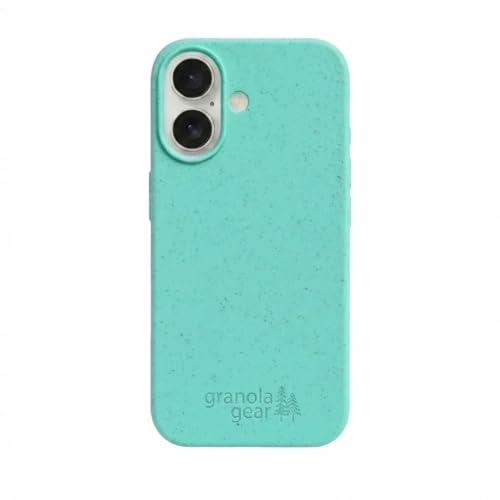
BASED IN THE USA - Granola Gear is based in Northern Michigan, surrounded by nature. This beautiful environment around us was the inspiration to create a non-toxic alternative to plastic and liquid silicone phone cases.

BASED IN THE USA - Granola Gear is based in Northern Michigan, surrounded by nature. This beautiful environment around us was the inspiration to create an alternative to plastic and liquid silicone phone cases.

BASED IN THE USA - Granola Gear is based in Northern Michigan, surrounded by nature. This beautiful environment around us was the inspiration to create an alternative to plastic and liquid silicone phone cases.
Waste Generation: Traditional vs. Biodegradable Cases
Although many consumers are unaware, traditional phone cases contribute considerably to global waste generation. Each year, around 1.6 billion plastic phone cases are discarded, primarily made from synthetic materials like polycarbonate and polyurethane, which can take nearly 100 years to decompose. This lengthy decomposition process exacerbates environmental pollution. In contrast, biodegradable phone cases, constructed from compostable materials such as cornstarch and bamboo, can decompose within 3 to 6 months under ideal conditions. This significant reduction in waste generation supports sustainable practices and lessens the environmental impact of phone accessories. Furthermore, the production of biodegradable cases leads to lower carbon emissions and avoids harmful substances during decomposition, promoting a healthier planet. Shifting to these alternatives is a step toward a more sustainable future. Additionally, some eco-friendly options utilize recycled plastics, which blend stylish protection with environmental consciousness, appealing to consumers’ eco-friendly values.
Recommended Products

Environmentally-friendly 100% curbside recyclable padded mailers-lightweight, flexible-no plastic filler. Sustainable.
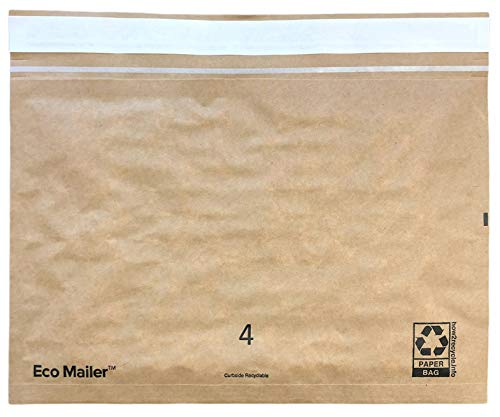
Environmentally-friendly 100% curbside recyclable padded mailers-lightweight, flexible-no plastic filler. Sustainable.

Environmentally-friendly 100% curbside recyclable padded mailers-lightweight, flexible-no plastic filler. Sustainable.
Myths Surrounding Biodegradable Phone Cases
Myths regarding biodegradable phone cases can cloud consumer decision-making and undermine the benefits of these eco-friendly products. A common misconception is that biodegradable phone cases are not durable. In reality, many options offer protection comparable to traditional plastic cases. Some believe these cases decompose quickly, but actual degradation can take months to years, depending on conditions. Another myth is that biodegradable materials harm the environment during breakdown; they do not release harmful substances, instead enriching the soil. Additionally, the notion that these cases lack aesthetic appeal is misleading, as innovative materials like bamboo provide unique designs. Ultimately, biodegradable phone cases considerably reduce plastic waste, addressing the millions of cases that enter landfills annually, therefore contributing positively to environmental impact. For aquatic enthusiasts, using waterproof phone pouches with durable materials and secure locking mechanisms ensures that phones remain protected during water activities while maintaining environmental consciousness.
Challenges in Producing Biodegradable Options
Producing biodegradable phone cases involves maneuvering a series of complex challenges to ascertain both functionality and environmental sustainability. The manufacturing process must integrate innovative methods that guarantee these cases offer durable protection comparable to traditional options. A significant hurdle is the common misconception that biodegradable phone cases are less durable, which can affect consumer acceptance and market growth. Furthermore, limited availability of high-quality environmental materials hinders the design and functionality of these cases, impacting their appeal to consumers who desire variety. Competing with the established traditional plastic market poses another challenge; many users prioritize familiarity over environmental considerations. Ongoing research and development efforts are essential to refine these biodegradable options while addressing concerns about durability and performance. An important consideration is ensuring that materials are flexible and waterproof, as seen in the design of effective cable organizers, to enhance the durability of biodegradable phone cases.
The Role of Consumer Choices in Sustainability
Consumer choices play a pivotal role in shaping sustainable markets, particularly within the smartphone accessory industry, where approximately 1.6 billion plastic phone cases are discarded each year. By opting for environmentally friendly options like biodegradable phone cases, consumers can considerably reduce their environmental impact. Biodegradable cases, made from materials such as cornstarch and bamboo, decompose naturally, lowering carbon emissions and mitigating plastic pollution. This aligns with growing consumer demand for sustainable alternatives, encouraging manufacturers to innovate. Additionally, selecting durable biodegradable cases not only protects devices but also fosters a culture of environmental responsibility. With increased awareness, consumers can directly influence production practices, driving a shift towards sustainability that benefits ecosystems and future generations. Many eco-friendly phone cases, such as those from kwmobile Cork Phone Cases, offer unique cork finishes that appeal to fashion-forward users while supporting sustainability goals.
How to Choose the Right Biodegradable Phone Case
How can one navigate the myriad options available when selecting the ideal biodegradable phone case? First, prioritize sustainable materials like cornstarch, bamboo, or plant-based bioplastics, which naturally decompose and minimize plastic waste. Durability is vital—choose a case that offers protection against drops and scratches, guaranteeing it functions similarly to traditional cases. Research the manufacturer’s data on decomposition rates; effective biodegradable options should break down within a few years under favorable conditions. Look for third-party certifications to confirm the case’s full compostability and adherence to environmental standards. Finally, verify compatibility with your device, as many biodegradable cases target popular models, such as iPhones and Samsung Galaxy phones, to cater to a wide audience.
Recommended Products

BASED IN THE USA - Granola Gear is based in Northern Michigan, surrounded by nature. This beautiful environment around us was the inspiration to create an alternative to plastic and liquid silicone phone cases.
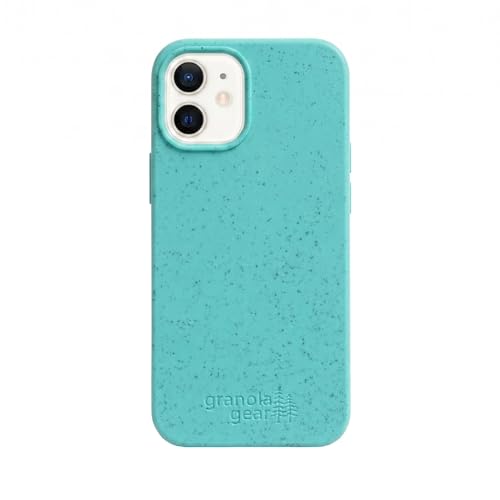
BASED IN THE USA - Granola Gear is based in Northern Michigan, surrounded by nature. This beautiful environment around us was the inspiration to create an alternative to plastic and liquid silicone phone cases.

BASED IN THE USA - Granola Gear is based in Northern Michigan, surrounded by nature. This beautiful environment around us was the inspiration to create an alternative to plastic and liquid silicone phone cases.
Frequently Asked Questions
How Long Do Biodegradable Phone Cases Last?
Biodegradable phone cases typically last between 1 to 3 years. Their biodegradation timeline aligns with consumer awareness about environmental sustainability, as they decompose within 3 to 6 months under specific composting conditions during the product lifecycle.
What Are the Benefits of Biodegradable Phone Cases?
“One man’s trash is another man’s treasure.” Biodegradable phone cases offer sustainable materials and eco-friendly manufacturing, promoting consumer awareness of compostable products. Their rising market demand highlights the shift toward biodegradable alternatives for a healthier planet.
How Do Phone Cases Affect the Environment?
Phone cases notably affect the environment through plastic pollution and non-recyclable materials. However, consumer choices for eco-friendly materials can promote waste reduction and improve sustainability practices, bolstering recycling initiatives and reducing overall ecological impact.
Is Pela Case Greenwashing?
The Pela Case, like a wolf in sheep’s clothing, raises suspicions of greenwashing. With mixed sustainability claims and brand transparency issues, consumers must scrutinize eco-friendly material validity amidst the buzz of alternative biodegradable products and awareness campaigns.