As an Amazon Associate, we earn from qualifying purchases. Some links on this site are affiliate links at no extra cost to you. Our recommendations are based on thorough research and editorial judgment.


Power Delivery Protocols: QC, PD, and Proprietary Fast Charging

Power delivery protocols like USB Power Delivery (PD) and Qualcomm Quick Charge (QC) manage how devices charge efficiently. PD supports voltages of 5V, 9V, 15V, and 20V, delivering up to 240W, making it versatile for various devices. QC increases charging speed for Qualcomm chip users by adjusting voltage levels, though it lacks universal compatibility. Proprietary protocols often depend on specific brands, complicating charging options. Understanding these systems can enhance charging experiences, promoting safety and efficiency. Discover more about this topic.
Key Takeaways
- USB Power Delivery (PD) supports up to 240W with flexible voltage options, making it suitable for a wide range of devices.
- Qualcomm Quick Charge (QC) enhances charging speeds primarily for Snapdragon devices through dynamic voltage adjustments but has limited cross-compatibility.
- Proprietary fast charging technologies, like Apple’s Fast Charging, lack the universal applicability of protocols like USB PD.
- Quality cables are essential for safe fast charging; only e-marked cables should be used to handle the higher power demands.
- Understanding device power specifications and compatibility with chargers is critical for optimizing charging efficiency and maintaining safety.
Understanding Fast Charging Technologies
You may be interested


Fast charging technologies have revolutionized the way devices are powered, making it possible for users to achieve significant battery replenishment in a fraction of the time. Primarily, these include USB Power Delivery (PD), which supports power delivery up to 240W with multiple voltage options, ensuring universal compatibility across devices. Qualcomm Quick Charge (QC) dynamically adjusts voltage levels for faster charging speeds, particularly for Qualcomm Snapdragon users. While proprietary fast charging technology, like Apple’s Fast Charging, offers optimized performance, it often lacks cross-brand compatibility, complicating use for multi-device users. The Programmable Power Supply (PPS) feature within USB PD enhances charging efficiency by adapting voltage and current based on device needs, minimizing power loss and maximizing effectiveness during charging sessions. For example, a 30,000mAh portable charger can offer multiple full charges and support fast charging protocols, making it a dependable power source during travels or outdoor activities.
The Role of Power Delivery Protocols

Power delivery protocols are pivotal in enabling efficient power transfer across a diverse array of devices. Power Delivery (PD) supports up to 240W, accommodating everything from smartphones to laptops, with versatile voltage options including 5V, 9V, 15V, and 20V. Qualcomm Quick Charge (QC) technology further accelerates charging rates by allowing voltage increases, often seen in Snapdragon devices, with QC 4.0 and 5.0 supporting USB-PD compatibility. Fast charging protocols utilize smart communication systems to negotiate ideal power levels, ensuring devices charge efficiently while minimizing overheating risks. Programmable Power Supply (PPS) enhances this by implementing dynamic voltage adjustments between 3V and 21V. With the increasing demand for on-the-go charging, compact mini power banks have become popular for their portability and fast charging capabilities. While proprietary fast charging solutions offer speed, they often lack the compatibility of established standards like USB-C Power Delivery.
An Overview of USB Power Delivery (USB-PD)

As technology continues to evolve, USB Power Delivery (USB-PD) emerges as a cornerstone of modern charging solutions. This fast charging standard accommodates a wide range of devices, from smartphones to laptops, by supporting charging power levels up to 240W. USB-PD utilizes multiple voltage levels, including 5V, 9V, 15V, and 20V, enabling chargers to dynamically adjust their output based on device requirements. The protocol incorporates smart power communication for real-time negotiation of power levels, optimizing charging speed and safety. In addition, with Programmable Power Supply (PPS) capabilities, USB-PD enhances efficiency by managing voltage and current precisely, reducing power loss. This universality and flexibility make USB-PD a preferred choice over older methods, like Qualcomm Quick Charge (QC). Additionally, advanced safety systems in devices like Anker and Sabrent models protect against overheating and overcharging, ensuring device longevity.
Recommended Products

【Pro-Level Performance: RTX 4060 Laptop Level】 Boost your portable device with the AMD Radeon RX 7600M XT (RDNA3). With a full 120W TGP and 8GB GDDR6, it delivers performance comparable to an RTX 4060 Laptop GPU. Perfect for running AAA titles at high FPS and accelerating AI model training on your thin-and-light laptop or handheld.
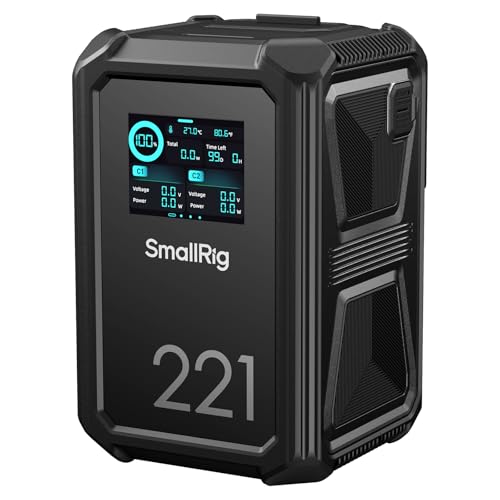
RAPID 140W CHARGING & PREMIUM LG CELLS: Recharge this Smallrig V Mount battery fully in just 2.5 hours with 140W PD 3.1 fast charging. Equipped with high-performance imported LG cells and an intelligent BMS chip, it ensures consistent power delivery, 8-layer safety protection, and extended cycle life

15 Ports of Connectivity - The TS5 includes 1x Host and 3x downstream 80Gb/s Thunderbolt 5 / USB4 V2 ports, 1x USB-A Gen 2 10Gb/s port, 1x USB-A 480Mb/s port, 3x USB-C 3.2 Gen 2 10Gb/s ports, DisplayPort 2.1, SD 4.0 & microSD 4.0 UHS-II card readers, 2.5GbE, and 3x audio ports. Thunderbolt 5 supports 64Gb/s PCIe which is ideal for connecting ultra-fast Thunderbolt peripherals to the TS5.
Exploring Qualcomm Quick Charge (QC)

Qualcomm Quick Charge (QC) technology represents a significant advancement in charging innovation, primarily targeted at devices powered by Qualcomm Snapdragon processors. This proprietary fast charging solution allows rapid charging by stepping up voltage to levels like 9V, 12V, and even 20V. The latest iterations, including QC 4.0 and QC 5.0, enhance compatibility with USB Power Delivery, broadening usability with various devices. Remarkably, QC achieves high charging efficiency with fine-tuned voltage control, ensuring safe and effective charging for smartphones and tablets. Importantly, this technology maintains backward compatibility, enabling older QC users to enjoy improved speeds with newer chargers. Major brands such as Samsung and OnePlus have integrated QC, solidifying its presence in the fast charging landscape. A key consideration for users is the compatibility of Bluetooth controllers with devices utilizing QC technology, as these controllers enhance interaction within VR applications.
The Impact of Proprietary Charging Protocols

In the domain of smartphone and electronic device charging, proprietary protocols can considerably shape user experience and device performance. While fast charging standards like Qualcomm Quick Charge (QC) excel at optimizing performance for specific devices, they often limit compatibility with third-party brands. This restriction means that users may need to carry multiple chargers for different devices, complicating convenience, especially when traveling. In contrast, universal options like USB Power Delivery (PD) facilitate a more cohesive charging experience across multiple devices. Wireless power banks now commonly include 22.5W PD Fast Charging technology, offering faster device power-ups and improved efficiency. Ultimately, the prevalence of proprietary charging protocols contributes to a fragmented charging ecosystem, with users facing reduced efficiency and increased clutter in their charging setup. Such limitations highlight the necessity for more standardized approaches in the industry.
Power Output and Charging Speed Comparisons
A range of power output and charging speeds exists among various charging protocols, influencing how quickly devices can recharge. USB Power Delivery (PD) supports an impressive 240W, making it suitable for larger devices like laptops. In contrast, Qualcomm Quick Charge (QC) offers up to 100W, primarily aimed at Snapdragon smartphones. For better efficiency, the Programmable Power Supply (PPS) adapts voltage between 3V and 21V, ensuring minimal power loss. While PD and QC enable fast charging, PD’s broad compatibility across devices enhances its usability compared to QC’s limitations. Fast charging capabilities, such as 22.5W fast charging, minimize charging time, providing convenience for users on the go. Value in charging increasingly lies in matching the right power output with specific protocols, as mismatched chargers can drastically slow charging speeds, preventing devices from achieving their peak performance through USB charging.
Recommended Products
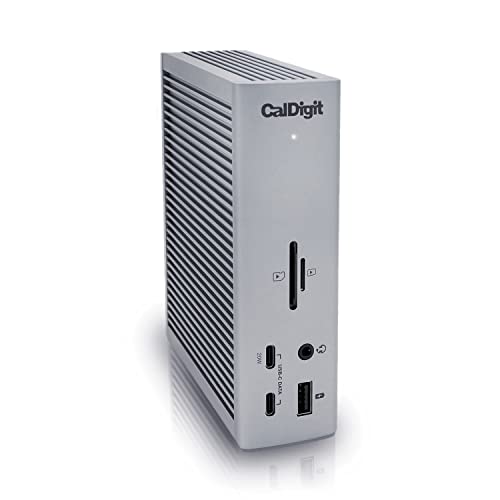
18 Ports of Extreme Connectivity - Featuring an impressive 18 ports, the TS4 has enough connectivity for even the most demanding of workflows. This includes a built-in DisplayPort 1.4 connector, a total of 8x USB ports with full 10Gb/s performance, SD & microSD 4.0 UHS-II Card Readers, 3x Thunderbolt 4 (40Gb/s) ports, 3x Audio ports, 2.5GbE, and a security slot.

2 x display / video - DisplayPort, 2 x audio transfer, 1 x display / video - HDMI, 1 x USB-C 3.2 Gen 2/DisplayPort, 1 x USB-C 3.2 Gen 2, 2 x USB 3.2 Gen 1, 1 x USB 3.2 Gen 1 with PowerShare, 1 x network - Ethernet 1000

240W Peak 100W RMS Bass Bomber: T11 loudest bluetooth speaker carfts with dual large subwoofers, dual tweeters and dual huge passive radiators to deliver a breathtaking immersive stereo sound. The bass on the T11 boombox party bluetooth speaker is incredibly powerful and springy.The mids is detail and warmth, allowing vocals and instruments to sound natural and present. The treble is bright and airy, creating an open and spacious soundstage. Turn on 240W PEAK- T11 speaker,audiophiles go crazy, start the party carnival
Compatibility Among Devices and Chargers
Charging protocols, while diverse in power output and charging speeds, also present a significant factor in determining device compatibility. USB Power Delivery (PD) is lauded for its broad compatibility, enabling fast charging across smartphones and laptops. It supports power levels up to 240W, making it a go-to option. In contrast, Qualcomm Quick Charge (QC) is more effective with Snapdragon devices, though its newer versions integrate PD to expand compatibility. Proprietary charging protocols, like Apple’s Fast Charger, often restrict use to specific brands, reducing versatility. Utilizing Programmable Power Supply (PPS) technology with PD can further optimize charging efficiency. Using mismatched chargers might result in slower charging speeds and potential overheating, emphasizing the need to match the charger with the device’s required fast charging standard. Many chargers, such as the Anker USB C Nano II, offer high wattage outputs, making them suitable for high-powered devices and ensuring compatibility with various fast-charging standards.
Recommended Products

[All-in-One Home & RV Energy Hub] Boasting a massive 7.2kWh capacity and 6000W AC output, the F7200 drives 99.9% of heavy-duty appliances, including central ACs, pumps, and dryers. One unit handles what others need two for—the ultimate whole home battery backup

【2-Year Warranty | U.S.-Assembled | 90-Day Returns】Your satisfaction means everything to us. All our laptops are backed by a 2-year manufacturer's warranty and come with 90 days of hassle-free returns and exchanges. Our dedicated support team is always ready to quickly resolve any issues or arrange a replacement. With partial assembly in the U.S. and rigorous quality control, you can count on lasting dependability.
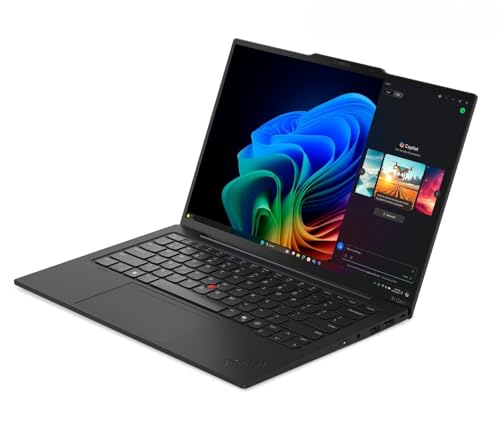
Unopened retail packaging, sold as configured by Lenovo. One Year Onsite Lenovo Warranty. Add up to 5 years of coverage when you register your computer with Lenovo.
The Importance of Cable Quality in Fast Charging
Quality cables serve as the backbone of fast charging technology, playing a pivotal role in the efficient transfer of power. To achieve ideal performance, only e-marked cables should be used, as they can handle the higher wattages required. Utilizing low-quality or incompatible cables can spark inefficiencies, leading to overheating or potential damage to devices. Fast charging standards, such as USB Power Delivery (PD) and Qualcomm Quick Charge (QC), necessitate specific cable ratings to safely support their voltage and current needs. Cables that boast USB-IF (USB Implementers Forum) safety certifications guarantee compatibility and peace of mind. A certified high-wattage cable, tailored for both the charger and device, not only improves charging times but also reduces risks of data loss during the process. To ensure optimal performance and longevity, consider braided nylon sheaths that enhance durability and resist wear and tangling.
Recommended Products

Unbelievable TurboPower Charging Speed- At 68W, this USB Type C powerhouse is the crown jewel of the Turbo charging lineup and easily powers most USB-C laptops, tablets, and phones up to 68 watts.

UseBean full-featureed 15 ft USB C to USB C 3.2 Gen 2 Cable offers 20Gbps SuperSpeed data transfer and up to 100W PD/QC fast charging simultaneously.Supports audio, 4K@60Hz video signal for video output and connecting usb-c monitor.
![SOOPII 240W USB C to USB C Cable[10ft 2-Pack],Fast Charging USB C Cable with LED Display for MacBook Pro,lPhone16/15/15Pro/15ProMax,Galaxy S23+/S23Ultra/S22,etc,Transparent Shell,(Black)](https://m.media-amazon.com/images/I/41AedYG0dsL._SL500_.jpg)
Outstanding Charging Output & Data Transfer: This SooPii USB C to USB C cable supports 240W(max 48V 5A) fast charging and 480Mbps data transmission speed. It also supports Super Fast Charging for Galaxy S23/S22 while using an original charger. All for creating a satisfying charging experience that beyond expectations to you. (Note: It does not support video output.)
How Programmable Power Supply (PPS) Works
Programmable Power Supply (PPS) is revolutionizing the way devices are charged today. This advanced fast charging standard dynamically adjusts voltage and current levels, providing optimized charging for various devices. By integrating seamlessly with USB Power Delivery (PD), PPS allows for precise voltage control ranging from 3V to 21V. This capability notably enhances overall charging efficiency. Moreover, PPS facilitates real-time communication between chargers and devices, minimizing power loss during the charging process, which ultimately improves battery health and longevity. Supporting power levels scaling up to 240W, it becomes essential for charging high-powered devices, such as laptops and tablets. Increasingly adopted in premium smartphones and chargers, PPS offers improved versatility and compatibility across a wide range of electronic devices. With features like surge protection and temperature control, safety considerations are paramount in the design of these advanced charging systems.
Factors Affecting Charging Efficiency
The efficiency of charging processes is affected by multiple interrelated factors that can greatly impact how quickly and effectively devices recharge their batteries. Compatibility between the device and charger is essential; when charging protocols mismatch, charging efficiency decreases. Environmental factors, such as temperature, also considerably influence efficiency, with ideal performance occurring within a specific range to avoid overheating. The type of cable used is another vital element, as high-wattage charging requires e-marked cables to prevent power transfer limits. Standards like USB Power Delivery and Programmable Power Supply enhance voltage and current adjustments, boosting overall efficiency. Fast charging technologies, such as Qualcomm Quick Charge, can achieve higher efficiencies by increasing voltage levels, but their effectiveness largely depends on specific device compatibility. Advanced safety features in chargers, such as over-current protection and temperature monitoring, ensure devices charge efficiently without overheating or overcharging, contributing to a worry-free charging experience.
Recommendations for Selecting a Fast Charger
How can one select the best fast charger to meet their device’s needs? First, verify device specifications for compatibility with standards like USB Power Delivery (PD) and Qualcomm Quick Charge (QC). Choose USB-C PD chargers that support Programmable Power Supply (PPS), guaranteeing efficiency across varying devices. For safe high-wattage charging, always use certified cables, particularly e-marked ones, as incorrect cables can impede power transfer. If budget is a concern, consider Quick Charge 3.0 or QC4+, ideal for Qualcomm smartphones. Additionally, confirm that power banks support fast input/output specifications and check the wattage per port. This way, users can maximize charging speed, particularly for multiple devices, enhancing overall functionality and convenience.
Recommended Products

1. Intelligent Flight Battery: One Intelligent Flight Battery provides a 46-min* max flight time, allowing you to explore more of your surroundings and fly with greater peace of mind.
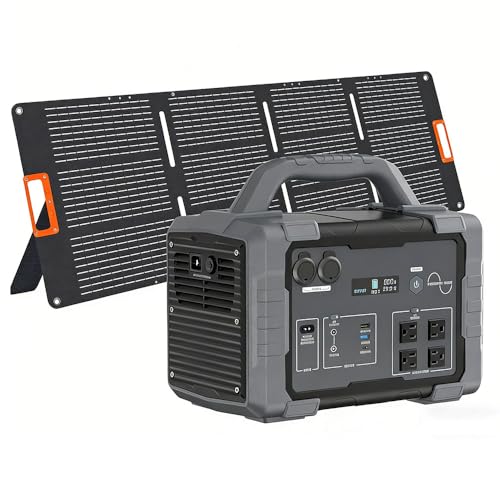
⚡ 1800W POWER ON THE GO: Experience true 1800W continuous AC output (3600W Surge). This heavy-duty solar generator kit effortlessly powers 99% of appliances, from high-wattage coffee makers and microwaves to power tools and full-size refrigerators.

Bi-direction PD 140W Fast Charging: Powered by the latest PD 3.1 technology, the V mount battery VB212 comes with 2 USB-C ports to deliver up to 140W of power. Boost for MacBook Pro 16" to 25% in just 10 minutes. Recharge your V mount battery at lightning speed with the convenience of dual USB-C ports, allowing you to fully replenish it in just 2 hour. Note: Please use a PD protocol charger and connect to the USB-C1 port for optimal charging. When charging via D-TAP, ensure voltage does not exceed 16.8V and current stays below 8A to protect the battery.
Real-World Applications of Charging Protocols
What distinguishes the effectiveness of various charging protocols in everyday use? Power Delivery (PD) supports charging up to 240W, enabling diverse devices, including smartphones and laptops, to charge efficiently. Qualcomm Quick Charge (QC) technology, prominent in Snapdragon devices, allows charging at voltages up to 20V, greatly speeding up the process. Meanwhile, proprietary fast charging solutions, like Apple’s Fast Charger, deliver quick energy but often lack interoperability across brands. The USB Power Delivery standard introduces Programmable Power Supply (PPS), which efficiently adjusts output based on the device’s specific needs. Ultimately, real-world applications display how these systems negotiate power levels, ensuring devices enjoy fast charging while maintaining safe charging parameters, minimizing the risk of overheating or damage.
Safety Measures in Fast Charging
Safety is a paramount consideration in the domain of fast charging technologies, particularly as they gain widespread use in everyday devices. Fast charging protocols, like USB Power Delivery (PD) or Qualcomm Quick Charge (QC), incorporate essential safety measures. These include fault detection systems and dynamic voltage adjustments to combat overheating and promote battery longevity. Devices and chargers effectively communicate during the charging process to negotiate power output, minimizing risks of overcharging. Additionally, using high-quality, certified cables is vital; subpar cables can pose significant hazards. Fast charging adapters are built to regulate temperature, thereby reducing thermal stress on batteries. Certified third-party chargers also adhere to safety standards, ensuring secure fast charging practices across various devices.
Future Trends in Charging Technologies
As the landscape of charging technologies evolves, contemporary advancements are setting the stage for a new era in power delivery. USB Power Delivery (USB-PD) is becoming increasingly universal, potentially replacing proprietary fast charging like Qualcomm Quick Charge. Future charging technologies will utilize Programmable Power Supply (PPS) for efficient, real-time power adjustments, maximizing charging speeds while limiting heat. The introduction of GaN (Gallium Nitride) offers smaller, lightweight chargers capable of high power outputs without losing efficiency. Advancements in battery technology, such as solid-state batteries, promise faster charging and longer device life. Additionally, industry trends indicate a move toward multi-device support, with hybrid chargers adept at negotiating various charging protocols, addressing the diverse needs of modern consumers robustly and effectively.
Key Takeaways From Fast Charging Standards
Understanding fast charging standards is essential, especially as technology continues to advance. USB Power Delivery (PD) is the most versatile, supporting up to 240W, thereby serving various devices. Qualcomm Quick Charge (QC), specifically beneficial for Snapdragon-based devices, operates at voltages of 9V, 12V, and 20V, making it efficient for rapid charging. Newer QC models, like QC 4+ and QC 5, increasingly align with USB-PD, enhancing compatibility among different charging standards. Proprietary fast charging solutions, such as Apple’s Fast Charger, offer optimized speeds but lack the universal applicability of USB-PD. Ultimately, charger output and device capabilities must align; mismatches can result in slower charging, jeopardizing both efficiency and safety, consequently underscoring the importance of understanding these various power needs.
Frequently Asked Questions
What Is QC and PD Charging?
QC and PD charging refer to fast charging technologies enhancing charging efficiency and battery lifespan. They improve device compatibility through standardized voltage regulation, leveraging technology advancements to elevate user experience across diverse devices with varying charging standards.
Is QC the Same as PD?
QC and PD are not the same; they exhibit fast charging differences, affecting charging compatibility and device support. Technology evolution suggests increasing consumer benefits and future trends toward enhanced charging speed and cross-compatibility between these protocols.
What Is the QC Fast-Charging Protocol?
“Where there’s a will, there’s a way.” QC fast-charging protocol enhances charging speed and device compatibility, offers safety features and thermal management, prolongs battery lifespan, and intensifies market competition while paving the way for future trends.
What Is the PD Fast-Charging Protocol?
The PD fast-charging protocol provides numerous benefits, including compatibility with various devices, optimized power levels, versatile specifications for PD chargers and cables, and enhanced efficiency, distinguishing it favorably when compared to QC technology in performance and usability.