As an Amazon Associate, we earn from qualifying purchases. Some links on this site are affiliate links at no extra cost to you. Our recommendations are based on thorough research and editorial judgment.

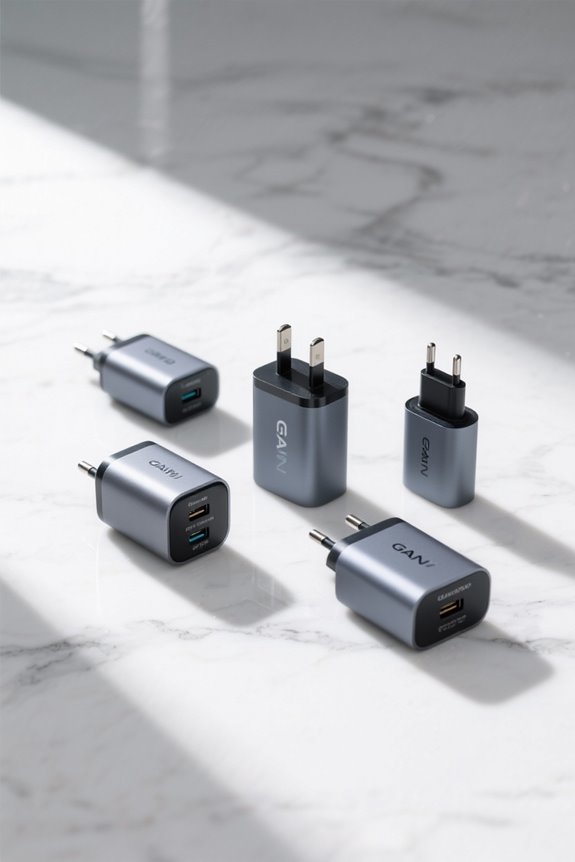
Gan Chargers: Why Gallium Nitride Is Revolutionizing Power Adapters

GaN chargers, based on Gallium Nitride technology, are reshaping power adapters. Offering 94% to 96% energy efficiency, these chargers surpass traditional silicon models, which only reach 85% to 90%. With their compact design, GaN chargers are 30-50% smaller, making them portable and travel-friendly. Additionally, their rapid charging capabilities support advanced protocols like USB Power Delivery. This technology not only reduces heat generation but also enhances durability, creating a more reliable power solution. There’s much more to explore about GaN advancements.
Key Takeaways
- GaN technology offers energy conversion efficiencies of 94-96%, significantly surpassing traditional silicon chargers’ 85-90%.
- GaN chargers are 30-50% smaller and lighter, enhancing portability without sacrificing performance.
- They operate at higher speeds, resulting in faster charging and less energy loss during power conversion.
- Superior thermal management in GaN chargers reduces heat generation, improving longevity and reducing reliance on bulky cooling components.
- Future innovations may include AI-driven optimization and support for advanced charging standards, further enhancing efficiency and convenience.
What Is Gan Technology and How Does It Work?
You may be interested



GaN technology is a groundbreaking advancement in power adapter design, fundamentally changing how charging devices operate. Utilizing Gallium Nitride, a wide-bandgap semiconductor, this technology allows for higher efficiency and faster power conversion. With a bandgap of 3.4 eV, GaN enables devices to generate higher voltage and operate at increased frequencies. This results in energy conversion efficiency rates of 94% to 95%, eclipsing traditional silicon chargers that achieve only 85% to 90%. The reduced heat generation associated with GaN facilitates improved thermal management, allowing for compact chargers that are 30-50% smaller without sacrificing performance. Altogether, GaN technology provides faster charging speeds and enhanced performance, marking a significant leap forward in the energy efficiency of charging solutions. Anker Nano II is praised for its compact design and powerful charging capabilities, illustrating the advanced performance possible with GaN technology.
Key Advantages of GaN Chargers Over Traditional Silicon Chargers

When comparing modern power solutions, the advantages of GaN chargers over traditional silicon chargers become remarkably clear. GaN technology achieves energy conversion efficiencies of up to 96%, particularly higher than the 80-90% typical of silicon chargers. Moreover, GaN chargers operate with switching speeds up to ten times faster than their silicon counterparts, allowing for faster charging and reduced power losses. Their compact design makes GaN chargers 30-50% smaller and lighter, which enhances portability without sacrificing performance. Additionally, GaN chargers generate less heat during operation, improving heat dissipation and prolonging the lifespan of both the charger and connected devices. They also support advanced charging protocols, such as USB Power Delivery, enabling rapid charging for various devices and minimizing overall energy consumption. GaN chargers often include smart charging chips which help manage temperature and prevent overcharging, further enhancing safety and device longevity.
Recommended Products

ULTRA-FAST PERFORMANCE: Power through demanding tasks with the latest Intel Core Ultra 7 processor, 32GB of high-speed memory, and a massive 4TB solid-state drive for lightning-fast application launches and seamless multitasking.
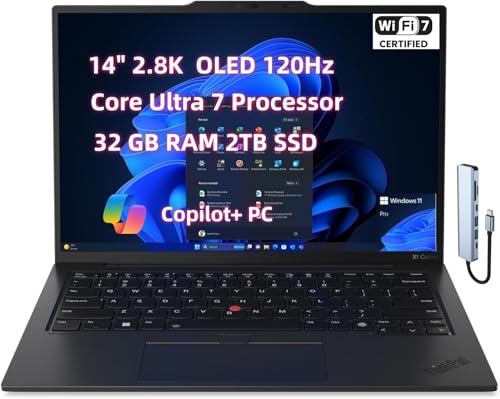
Processor: Inte.l Core Ultra 7 258V Processor (LPE-cores up to 3.70 GHz P-cores up to 4.80 GHz / 32 GB MOP)
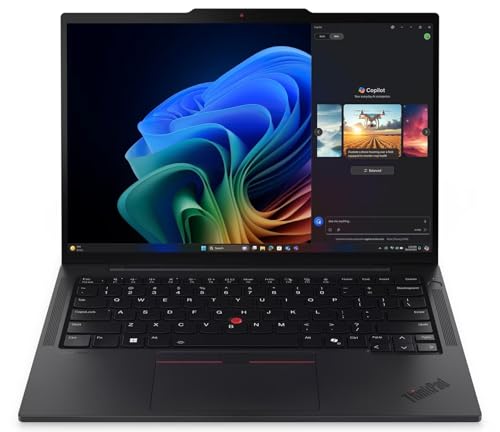
Processor: AMD Ryzen AI 7 PRO 350 Processor (2.00 GHz up to 5.00 GHz) Graphic Card: Integrated AMD Radeon 860M
The Efficiency of GaN: Power Delivery and Heat Management

Efficiency in modern charging technologies is paramount, particularly when evaluating power delivery and heat management. GaN technology showcases energy conversion efficiencies between 94-96%, markedly exceeding the typical 85-90% found in silicon chargers. This significant improvement results from high-frequency operation, which minimizes energy losses during the conversion process. Additionally, the superior thermal conductivity of GaN semiconductors generates less heat, allowing for cooler operation and less reliance on bulky heat sinks. With higher breakdown voltages, GaN devices can effectively handle power fluctuations, contributing to reliable performance. This technology’s compact design supports efficient power delivery, enabling the packaging of high wattages in smaller footprints—making GaN chargers a revolutionary shift in the power adapter landscape. High-Speed Charging capabilities of GaN chargers make them ideal for rapid device charging, similar to the USB-C car chargers of 2026.
Recommended Products

FAST 16” OLED QHD+ 240Hz DISPLAY — Truly designed for the competitive gamer with 0.2 ms response time, featuring a VESA ClearMR 11000 rating and DisplayHDR 500 certified to ensure minimal blurring and vivid colors (1M:1 contrast ration and 100% DCI-P3)

【Power When Things Get Busy】 This HP laptop runs on a 10-core Intel Core 7 150U processor—offering up to 15% better multitasking than the i7-1355U. This HP laptop is built for multitaskers, and paired with 32GB LPDDR5 RAM, about 50% faster than DDR4, it’s ready for spreadsheets, research, and quick switching between all your daily tasks

【2-Year Warranty | U.S.-Assembled | 90-Day Returns】Your satisfaction means everything to us. All our laptops are backed by a 2-year manufacturer's warranty and come with 90 days of hassle-free returns and exchanges. Our dedicated support team is always ready to quickly resolve any issues or arrange a replacement. With partial assembly in the U.S. and rigorous quality control, you can count on lasting dependability.
Compact Design: How GaN Chargers Change Portability

In today’s fast-paced world, the demand for portable charging solutions has surged, making compact design a critical factor in the evolution of power adapters. GaN chargers are typically 30% to 50% smaller and lighter than traditional silicon chargers yet maintain similar power outputs, enhancing portability. Their compact design allows for higher power density, enabling them to power multiple devices without the need for bulk adapters. With an energy efficiency rate of 94% to 95%, they produce less heat, consequently requiring fewer cooling components. GaN technology supports fast charging protocols, providing effective solutions without the inconvenience of heavy equipment. As a result, these chargers effortlessly fit into pockets or bags, making them ideal for travel scenarios where space is limited. Many travel wall chargers feature fast charging options ranging from 20W to 100W, ensuring tech-savvy travelers can keep their devices powered efficiently.
Recommended Products

【Power Through Any Task with AMD Ryzen 7 & Radeon 680M】Experience seamless multitasking and lag-free performance with the AMD Ryzen 7 PRO 6850U processor. Paired with integrated Radeon 680M graphics (RDNA 2), this laptop effortlessly handles complex spreadsheets, heavy coding, and light creative design work, ensuring your productivity never hits a bottleneck.
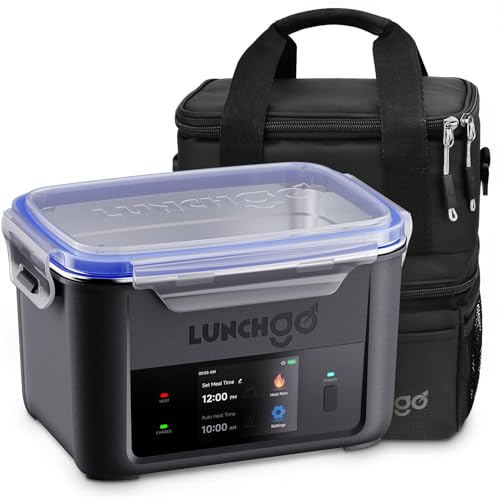
🔋 Cordless Freedom, Anywhere You Go - Enjoy true mobility with the LunchGO G1. Equipped with a powerful 103Wh battery, it heats your meal without a single cord. Whether you’re at work, on the road, or outdoors, enjoy hot, fresh food—anytime, anywhere.

NEW GALLIUM CHLORIDE MATERIAL:usb c charger block uses the third generation new semiconductor gallium chloride GaN material, which has more stable performance, high voltage resistance, high frequency and other characteristics. Compared with chargers of the same power, type c charger fast charging are lighter!
Choosing the Right GaN Charger for Your Needs

Selecting the right GaN charger can greatly enhance one’s charging experience. First, consider the wattage rating; this should match or exceed your device’s maximum input for optimal charging efficiency. Look for GaN chargers with multiple output ports, such as USB-C and USB-A. This allows charging several devices simultaneously. Safety features are essential; prioritize chargers with certifications like UL and ETL for protection against over-voltage and short circuits. A compact design enhances portability, making them travel-friendly, often 30-50% smaller than traditional silicon power adapters. Finally, make sure your charger supports fast charging protocols like USB Power Delivery (PD) to maximize charging speed for compatible devices. The USB Charging Towers of 2026 exemplify the integration of GaN technology with fast charging capabilities and space-saving designs. These considerations create a balance between functionality and safety in GaN technology.
Recommended Products
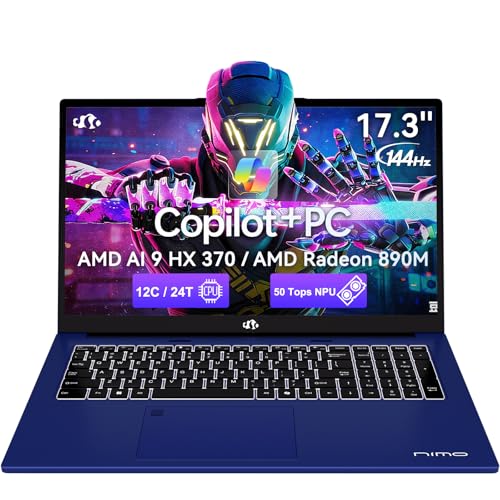
【AI-Enhanced Performance】Built with AMD Ryzen AI 9 HX 370, the NIMO AI Laptop delivers next-level computing power that speeds up daily tasks, creative workloads, and intelligent operations with smooth responsiveness.

【Immersive 17.3" FHD Display】The NIMO laptop’s Full HD 17.3” screen provides more space and sharper visuals, perfect for multitasking, online classes, or movie nights—all in one stunning display. Ideal for students, remote workers, and anyone craving extra screen real estate.

【Powerful AI Performance】The NIMO AI Laptop with AMD Ryzen AI 9 HX 370 and Radeon 890M graphics delivers smooth performance across tasks. From coding and spreadsheets to creative editing and gaming, enjoy faster response times, AI-accelerated features, and reliable multitasking without slowdowns.
Future Trends: The Evolution of GaN Charging Solutions
Advances in GaN technology are set to reshape charging solutions well into the future. Innovations will likely incorporate AI-driven power optimization, which enables real-time adjustments for better energy distribution and efficiency. Upcoming GaN chargers are expected to support higher power standards, such as USB PD 3.1, providing compatibility with next-generation electronic devices and fast-charging capabilities. The development of quantum GaN semiconductors aims to increase power density, enhancing overall performance in various applications. In addition, ongoing improvements in eco-friendly manufacturing practices are designed to minimize carbon footprints, aligning with sustainability goals. Innovations in wireless power transfer will advance convenience, allowing users to charge devices without cords. These trends highlight a future where GaN charging technology continuously improves efficiency and user experience. Additionally, multi-port functionality in GaN chargers will become more prevalent, catering to users who need to charge multiple devices simultaneously, thereby enhancing convenience and reducing the need for multiple adapters.
Frequently Asked Questions
Why Are Gallium Nitride Chargers Better?
Gallium nitride chargers are superior due to their faster charging capabilities, smaller size, enhanced efficiency, and heat reduction. Their lightweight design offers high durability, cost-effectiveness, and eco-friendly technology, supporting future innovations and voltage scalability.
What Are the Disadvantages of Gallium Nitride?
Disadvantages of gallium nitride include cost factors, reliability questions, efficiency issues, and manufacturing limitations. Additional challenges are thermal management, packaging complexity, integration challenges, availability concerns, and competition risks, which can hinder market adoption.
What Is the Primary Advantage of Using a Gallium Nitride Gan Semiconductor Over Traditional Silicon in Power Electronics?
The primary advantage of gallium nitride over silicon lies in its efficiency, enabling size reduction, improved heat dissipation, increased switching frequencies, enhanced reliability, and better thermal management, driving market adoption and delivering significant environmental benefits.
Does a Gan Charger Damage the Battery?
A GaN charger does not damage the battery. Its superior charging efficiency, advanced voltage regulation, and effective thermal conductivity minimize heat generation, ensuring device compatibility and optimizing power management to enhance overall battery lifespan during fast charging.


