As an Amazon Associate, we earn from qualifying purchases. Some links on this site are affiliate links at no extra cost to you. Our recommendations are based on thorough research and editorial judgment.


Bluetooth Audio Latency: Understanding Codec Differences

Bluetooth audio latency varies based on the codec used, greatly affecting performance. Standard SBC codec can produce 100-150 ms of delay, hindering sync for video and gaming. In contrast, aptX Low Latency achieves approximately 40 ms, offering a more responsive experience. Factors like device hardware, software, and environmental conditions also play a role. As codecs evolve, like the emerging LC3, improvements in efficiency and audio quality are anticipated. Understanding these differences is essential for optimizing audio performance.
Key Takeaways
- Bluetooth audio latency varies significantly by codec, with SBC ranging from 100-150 ms, and aptX Low Latency achieving about 40 ms.
- The choice of codec significantly affects audio quality and latency, with advanced options like aptX and LDAC offering better performance than SBC.
- SBC is not suitable for real-time applications, while aptX Low Latency is preferred for gaming and video playback due to its lower latency.
- Factors such as hardware differences, configurations, and environmental conditions can impact measured latency, influencing overall audio experience.
- Future codecs like LC3 are designed to improve efficiency and reduce latency, enhancing Bluetooth audio quality for audiophiles and general users.
What Is Bluetooth Audio Latency?
You may be interested


Bluetooth audio latency represents a crucial factor in the quality of wireless audio experiences. It measures the delay from audio signal transmission to playback, typically in milliseconds. For instance, the SBC codec can exhibit latencies ranging from 100 to 150 ms, whereas the aptX Low Latency codec boasts lower latencies of around 40 ms. These latency characteristics greatly affect audio-visual sync, particularly during video playback or gaming. Latencies exceeding 200 ms become conspicuous in such scenarios, while lower latencies are essential for interactive scenarios, like real-time communication. Understanding these variations across different codecs and devices allows users to make informed decisions, optimizing their audio experiences according to specific needs, which is increasingly crucial in today’s fast-paced digital world. When considering wireless audio options, Bluetooth 5.0 offers improved data transfer rates that can enhance connection reliability and minimize lag.
The Importance of Codecs in Bluetooth Audio

While many users may focus on the brand or model of their Bluetooth device, the codec being used often holds greater significance in shaping the overall audio experience. Bluetooth codecs determine audio quality and latency, which affects enjoyment in various scenarios, such as gaming or watching videos. The standard codec, SBC, offers bit rates of 192-320 kbps but can lead to notable audio quality loss. In contrast, advanced codecs like aptX and LDAC provide higher bit rates—up to 990 kbps in the case of LDAC—greatly enhancing audio fidelity. Additionally, aptX Low Latency allows for a mere 40 ms delay, making it ideal for time-sensitive activities. Newer codecs, such as LC3, promise further improvements in audio quality and efficiency. Fast charging capabilities on multi-device charging stations can further enhance user convenience, reducing downtime during phone charging.
Understanding Latency Measurements

Audio latency measurements are vital in determining how users experience sound synchronization across various media. Latency, the time delay between audio signal input and output, greatly impacts audio quality in applications like gaming and video playback. Different types of latency measurements, such as algorithmic delay and software processing time, can affect the overall latency experienced. Furthermore, music-quality Bluetooth audio often exceeds 200 ms, causing perceptible sync issues. However, for interactive experiences, low latency is essential; codecs like aptX Low Latency can reduce this delay to around 40 ms, enhancing synchronization. It is important to recognize that latency can vary based on codec, hardware, operating system optimizations, and app characteristics, leading to inconsistent experiences across multi-device setups. When considering windshield phone mounts, it is crucial to ensure they do not obstruct the driver’s view, which is a key safety measure for legal and practical driving purposes.
Common Bluetooth Codecs and Their Latency

Understanding the nuances of various Bluetooth codecs is vital for optimizing audio experiences. The SBC codec, the standard for Bluetooth audio, typically exhibits an audio latency range of 100-150 ms. In contrast, aptX LL considerably enhances performance with latencies as low as 40 ms, making it favorable for gaming and video streaming. LDAC’s latency is variable; lower bitrates guarantee stability, yet it rarely matches aptX LL’s efficiency. Meanwhile, the AAC codec’s performance is inconsistent, generally reaching 150-200 ms on Android, but performing better on Apple devices. Emerging codecs like LC3 promise to reduce latency remarkably, offering a more efficient audio experience that minimizes delays, consequently improving the overall wireless audio quality for diverse usage scenarios. A USB-C Charger Block 20W is an example of a device that supports fast charging, ensuring quick power delivery and efficient performance for compatible devices.
Recommended Products
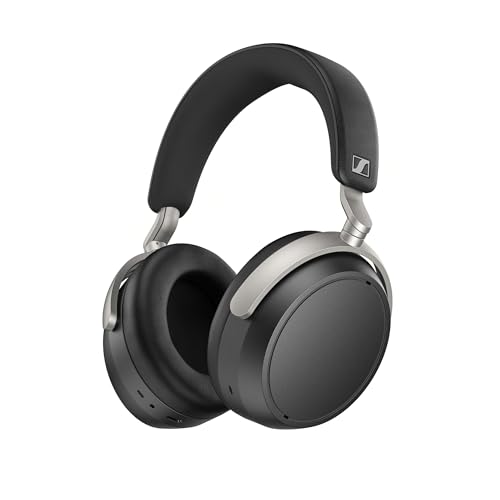
Audiophile tuning: Sennheiser’s in-house 42 mm transducer and refined acoustic design deliver a neutral audiophile sound with lifelike mids, stunning detail, and a wide, natural soundstage. With minimal digital processing ensuring pure fidelity true to the original recording.

[Upgraded Planar Magnetic Driver] STAX SPIRIT S5 utilizes planar magnetic drivers with EqualMass diaphragm for uniform driving force across the surface, ensuring original sound, low distortion, and fast response. Its second-gen upgraded EqualMass wiring structure enhances diaphragm stability across all frequencies with a symmetric layout.

Extra comfortable monitoring with ultra-low latency wireless communication via SonicLink
SBC: The Standard Codec and Its Limitations

SBC, or Sub-band Coding, stands as the foundational codec for Bluetooth audio transmission. It is the mandatory standard for all Bluetooth devices, ensuring basic compatibility. Operating with a bitrate range of 192 to 320 kbps, SBC delivers lower audio quality compared to advanced codecs. This codec typically experiences latency between 100 to 150 milliseconds, making it less appropriate for applications needing precise audio-visual synchronization. The significant data loss during audio compression results in lower resolution audio, which may disappoint audiophiles. However, SBC excels in connection stability, often serving as a reliable fallback when advanced codecs aren’t available. Recognizing these limitations helps users understand their choices in Bluetooth audio technology and its practical applications. Choosing an appropriate Bluetooth audio codec can greatly enhance the listening experience by reducing latency and improving sound quality.
Aptx Low Latency: a Gamer’s Choice
For gamers seeking ideal audio performance, aptX Low Latency emerges as a remarkable solution. This codec is engineered to minimize audio delay to around 40 ms, considerably enhancing synchronization during gameplay. With a bitrate of up to 352 kbps, it guarantees high audio quality, providing a near CD-quality listening experience. Widely supported across various Bluetooth devices, gamers can enjoy a seamless audio experience without the common pitfalls of lag. aptX Low Latency dynamically adjusts to the connection environment, maintaining stable performance even in challenging scenarios. For users to fully benefit from this technology, both the transmitting and receiving devices must support aptX Low Latency, especially crucial for reducing latency during high-paced gaming sessions. This makes it an appealing choice for serious gamers. Many tactical phone cases are designed to fit a variety of phone sizes, ensuring compatibility with devices used for gaming and outdoor activities.
Recommended Products

Introducing the INZONE H9 II: Together with Fnatic it has been developed to provide the clarity, stability and precision that competitive players need.

APTX LOW LATENCY & ADVANCED NOISE CANCELLATION: Experience total focus with gaming headphones featuring dual-mode noise cancellation and dual noise-canceling microphones for precise, crystal-clear communication. Powered by Qualcomm APTX Adaptive, one of the fastest low-latency audio technologies available, you get seamless audio synchronization with latency as low as 90 milliseconds for a true competitive edge in fast-paced gaming action.

Audiodo Personal Sound – music, matched to you Following the huge success of the FoKus Rex5, Audiodo Personal Sound has been integrated into another FoKus series product. This advanced hearing calibration software analyses the listener’s hearing in each ear and builds a personalised sound profile. Once set up, that profile is stored directly on the earbuds and applied across all devices – no app required for everyday use.
Comparing Aptx HD and LDAC
In the domain of Bluetooth audio technology, a critical evaluation of AptX HD and LDAC reveals significant distinctions in audio fidelity and performance. AptX HD supports high-resolution audio up to 24-bit/48kHz with a maximum bitrate of 576 kbps, catering to audiophiles seeking clarity. In contrast, Sony’s LDAC can transmit data at up to 990 kbps across three operational modes, aiming for near CD-quality audio. While AptX HD shines in stability and overall audio quality, LDAC’s higher bitrate options offer flexibility for various audio sources. Latency is another consideration; AptX HD typically presents 120 ms, whereas LDAC can vary with conditions, sometimes reaching below 200 ms. Users must weigh device compatibility and personal audio needs when choosing between these codecs. When considering device protection, users often prefer 9H tempered glass screen protectors for their robust resistance to scratches and impacts, which parallels the consideration of codec choices for enhanced device performance.
Recommended Products

Processor: Intel Core Ultra 7 258V Processor (LPE-cores up to 3.70 GHz P-cores up to 4.80 GHz / 32 GB MOP)

[Feature]: Legion 5i AI Gaming Laptop with Intel 24-Core Ultra 9 275HX Processor and NVIDIA GeForce RTX 5060 8GB GDDR7 graphics push your gameplay beyond performance, giving you the power to do it all. | 16" WQXGA (2560x1600) IPS 500nits Anti-glare, 240Hz | 24-Zone RGB Backlit | Wi-Fi 7 + Bluetooth 5.4 | 5.0MP with E-shutter.

HIGH-END SOUND QUALITY FOR SERIOUS ENTHUSIASTS – Audiophile level sound stage produced by the finest quality components. Features ribbon horn tweeters and 6.5in woofers that provide crisp, clear, natural sounding highs and powerful room-shaking bass that doesn't distort at higher volumes.
The Role of AAC in Audio Quality
Audio quality in Bluetooth transmissions is greatly influenced by the codec used, with AAC (Advanced Audio Codec) emerging as a remarkable contender. This codec is particularly favored for iOS devices, offering a maximum transfer rate of 250 kbps and supporting audio resolutions up to 24-bit/96 kHz. Compared to the standard SBC codec, AAC provides considerably enhanced audio fidelity. Although optimized for Apple’s ecosystem, performance on Android devices can vary due to differing codec implementations. Remarkably, AAC utilizes efficient compression techniques, enabling it to maintain high audio fidelity even at lower bitrates. This feature makes AAC ideal for streaming music services, where wireless transmission requires preserving critical audio details while minimizing file sizes for easier delivery. When considering fast charging technologies for on-the-go power needs, options like Power Delivery (PD) and Quick Charge (QC) ensure efficient energy restoration.
Recommended Products

Easily transport the OMNIS-DUO with its compact size and lightweight design

Excelon Reference Series Quality – Built for premium installs with top-tier audio, display, and integration technology trusted by professionals

【Portable and Movable】Designed for portability and mobility, this MWE- QIXZOCV product is lighter in weight than traditional digital signage. Equipped with 4 silent wheels and a flight case, is easy to move, allowing users to set it up in different locations with ease. Whether for business presentations, trade shows, or personal use, its portable design makes it convenient to transport and deploy wherever needed, ensuring flexibility and convenience.
Emerging Codecs: LC3 and Samsung Seamless Codec
As technology evolves, emerging codecs like LC3 and the Samsung Seamless Codec are setting new standards for Bluetooth audio transmission. LC3, part of the Bluetooth 5.2 specification, supports sample rates up to 48 kHz and bit rates up to 345 kbps, delivering superior audio quality. It also offers advanced packet loss management, which is beneficial for users with hearing impairments through its multi-stream audio capabilities. On the other hand, the Samsung Seamless Codec enhances audio from 16-bit to 24-bit, also achieving a sample rate of 48 kHz, while dynamically adjusting its streaming rates for stability. However, its exclusivity to Samsung devices limits compatibility. In contrast, LC3 is built for broader adoption across various devices, promoting improved Bluetooth transmission efficiency. Some of the safety features found in high-quality power banks ensure device protection and reliability, aligning with the need for dependable audio transmission.
Factors Affecting Bluetooth Audio Latency
Bluetooth audio latency is influenced by an array of factors, which can lead to varying experiences for users. The codec in use plays a vital role; for instance, SBC may introduce latencies of 100-150 ms, while aptX Low Latency notably reduces this to around 40 ms. Additionally, hardware and software implementations within devices contribute to discrepancies in latency performance, even among similar models. The type of audio data affects latency as well; high-resolution files may cause increased processing delays. Environmental factors, such as obstructions and signal interference, complicate latency further. Finally, multi-device setups can exacerbate latency issues, prompting users to reflect on the combined effects of the codecs used across all connected devices to maintain ideal audio quality and synchronization. Bluetooth 5.4 technology greatly improves connection speed and stability, which can help mitigate some latency issues when using compatible devices.
Real-World Scenarios: Video vs. Gaming
When comparing video playback to gaming, the variance in Bluetooth audio latency becomes evident, as each scenario demands different performance levels. In video playback, latency typically hovers around 200 ms. This can lead to sync issues, disrupting the audio-visual experience if not compensated properly. Conversely, gaming requires low-latency codecs like aptX Low Latency, which achieve about 40 ms. This minimal latency is essential for real-time audio feedback, especially in competitive environments. Standard codecs like SBC tend to range between 100-150 ms, which can be disruptive during fast-paced gaming. It’s clear that codec selection greatly impacts audio quality and overall experience in both video and gaming, with aptX Adaptive optimizing performance across varying conditions.
How to Reduce Latency on Your Devices
To achieve a substantial reduction in audio latency on devices, users should prioritize low-latency codecs, particularly aptX Low Latency, which minimizes delay to approximately 40 ms. It is vital that both the transmitting and receiving devices support the same low-latency codec to guarantee maximum synchronization and minimal audio lag. Users should keep Bluetooth devices in close proximity to one another, as physical obstacles can exacerbate latency issues and lead to audio dropouts or stuttering. Regular firmware updates are also recommended since manufacturers often release improvements that enhance audio performance and reduce latency. For scenarios where audio delay is critical, opting for wired headphones can prove beneficial, providing latencies under 20 ms compared to the 100+ ms commonly associated with wireless audio transmission.
Recommended Products
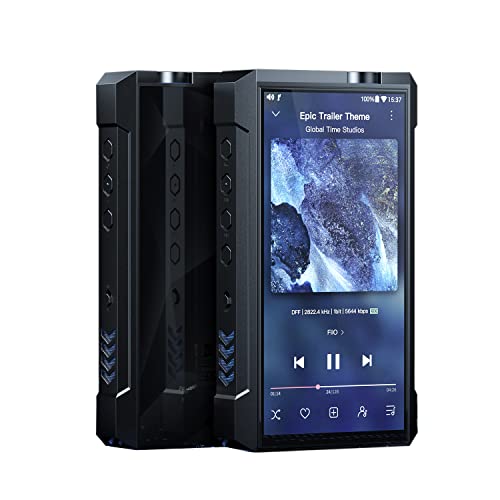
[Desktop-league DAC ES9038PRO]: The left and right audio channels each contain a desktop-class, 8-channel ES9038PRO flagship DAC. This means that each audio channel has 8 parallel outputs summed together for superior resolution and minimal distortion for extremely pure audio reproduction.

Designed with DALI's acoustic mastery: Built on the same renowned principles as DALI’s loudspeakers, the IO-8 delivers an immersive, high-fidelity audio experience. Each note is reproduced with stunning realism, transporting you into your music like never before.

Minelab EQUINOX 800 Multi-IQ Metal Detector with 6 inch Coil, 15 inch x 12 inch Coil and Minelab Pro Find 20 Pinpointer
The Impact of Device Compatibility on Latency
Audio latency is considerably influenced by device compatibility. Different Bluetooth codecs can behave differently depending on the hardware and software of the connected devices. For instance, Apple devices typically optimize performance with AAC, while many Android devices utilize aptX or aptX Low Latency, enhancing latency performance to around 40 ms, ideal for gaming. In contrast, SBC, commonly found across many devices, yields latencies between 100-150 ms, which can disrupt audio sync in videos. Significantly, even devices from the same brand may show substantial variations in latency due to diverse hardware configurations. Additionally, software updates can drastically improve codec processing, reducing overall lag and enhancing the listening experience, showcasing the vital role of device compatibility in managing audio latency effectively.
Evaluating Audio Performance Across Platforms
Evaluating the performance of Bluetooth audio across various platforms can reveal important differences influenced by codec selection, device specifications, and operating systems. For instance, iOS devices optimize performance with the AAC codec, maintaining lower audio latency than some Android devices, which may utilize aptX or LDAC, resulting in variable performance. The codec determines latency levels; standard SBC codecs often show delays around 100-150 ms, while aptX Low Latency can cut that to 40 ms, enhancing experiences in gaming and video playback. In multi-device setups, users may face greater latency challenges, compelling them to experiment with different combinations and codecs. Regular firmware updates are essential too; they can greatly enhance Bluetooth audio quality and reduce latency issues.
Future Trends in Bluetooth Audio Technologies
As Bluetooth technology evolves, emerging trends are set to revolutionize the audio experience. The introduction of the LC3 codec enhances audio quality considerably while facilitating efficient transmission. This codec supports higher sample rates of up to 48 kHz and bitrates reaching 345 kbps, appealing to a wide range of users, including those with hearing impairments. Additionally, advanced codecs like aptX Lossless promise CD-quality audio through lossless transmission at 16-bit/44.1 kHz, ideal for audiophiles. Another development, the Samsung Seamless Codec, upgrades audio to 24-bit at 48 kHz, resulting in richer sound. Moreover, future Bluetooth technologies emphasize low latency and multi-stream audio capabilities, ensuring synchronized playback across devices for applications like gaming and video streaming, enhancing user experiences.
Frequently Asked Questions
How Does Bluetooth Audio Latency Affect Everyday Music Listening?
Imagine a vinyl record spinning in a modern world; Bluetooth audio latency disrupts sound synchronization, affecting music enjoyment. Codec influence, latency perception, and device compatibility can diminish audio quality, altering the listener experience considerably.
Can Smartphone Settings Influence Bluetooth Audio Playback Delay?
Smartphone settings can influence Bluetooth audio playback delay through adjustments in Bluetooth codec settings, addressing audio processing latency, and ensuring device compatibility. Firmware updates, app optimization tips, and acknowledging hardware limitations enhance user experience feedback.
What Troubleshooting Steps Can Reduce Bluetooth Audio Latency Issues?
To reduce Bluetooth audio latency, one should adjust Bluetooth settings, verify device compatibility, optimize codec selection, check for firmware updates, guarantee audio source quality, assess distance impact, and implement interference elimination techniques effectively.
Do Environmental Factors Impact Bluetooth Audio Performance?
Environmental factors greatly impact Bluetooth audio performance; signal interference and surrounding noise disrupt clarity, while distance effects and obstructions can diminish transmission stability. Additionally, device compatibility plays an essential role in overall audio quality.
How Can I Test My Bluetooth Audio Latency on Devices?
To test Bluetooth audio latency, one can utilize audio testing methods, latency measurement tools, and smartphone app options, while considering codec evaluation, device compatibility checks, real-time video synchronization, and user experience feedback for accurate results.