As an Amazon Associate, we earn from qualifying purchases. Some links on this site are affiliate links at no extra cost to you. Our recommendations are based on thorough research and editorial judgment.

Noise Cancellation in Phone Audio: Active Vs Passive Technologies

Noise cancellation in phone audio uses two main technologies: Active Noise Cancellation (ANC) and Passive Noise Isolation (PNI). ANC detects ambient sounds with microphones, creating opposing sound waves to reduce low-frequency noise, ideal for urban settings. PNI relies on physical design to block mid- to high-frequency sounds without electronics, making it more affordable and battery-free. Each method has benefits and drawbacks, such as comfort, price, and audio quality. To determine the best fit, consider your specific listening needs. Further details await.
Key Takeaways
- Active Noise Cancellation (ANC) effectively reduces low-frequency sounds, making it ideal for noisy environments like planes or busy streets.
- Passive Noise Cancellation (PNC) relies on physical design to block mid- and high-frequency noise without using batteries or electronics.
- ANC headphones tend to be pricier, ranging from $100 to $400, while PNC options start around $50, offering budget-friendly alternatives.
- Comfort and fit are essential for prolonged use; custom-fitted PNC options enhance sound isolation and user experience.
- Choose ANC for frequent low-frequency noise exposure, and PNC for mid- to high-frequency disruptions to optimize your audio experience.
What Is Passive Noise Isolation?
You may be interested


Passive noise isolation (PNI) serves as a fundamental approach to minimizing unwanted noise in audio devices, especially headphones and earphones. This method relies on the physical design and materials to effectively block external noise and ambient sounds. By creating a tight seal around the ears, PNI achieves noise reduction of 15dB to 30dB, focusing primarily on mid- to high-frequency noises, like conversations and power tools. Unlike active noise cancellation, PNI requires no batteries or electronics, ensuring reliability in various settings. Moreover, a comfortable fit is essential; custom-fitted earbuds can minimize pressure points and enhance user experience during prolonged use. Significantly, many PNI products also meet OSHA compliance standards, providing critical protection against excessive noise exposure in various environments. Some PNI products use gold-plated connectors to enhance sound quality by reducing signal loss, ensuring a seamless auditory experience.
What Is Active Noise Cancellation?
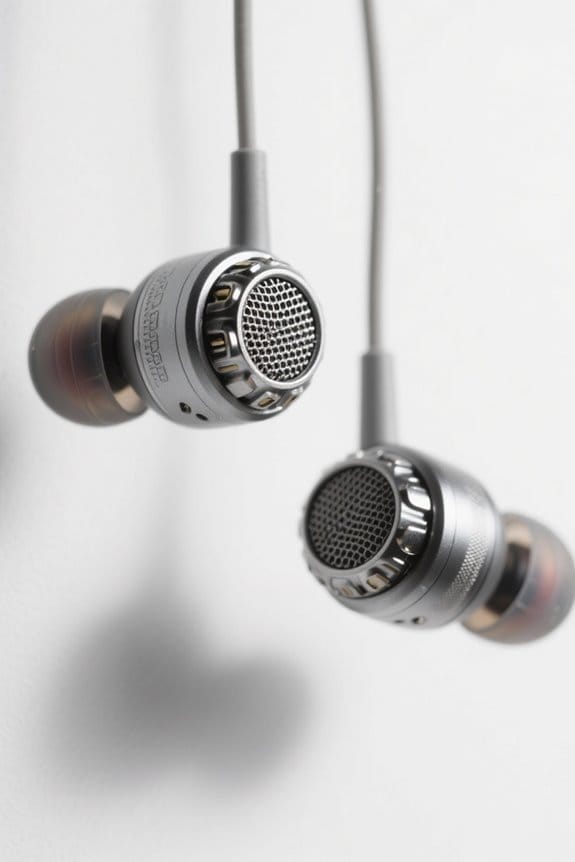
Active Noise Cancellation (ANC) represents a technological advancement in audio devices that enhances listening experiences in challenging environments. It utilizes built-in microphones to detect unwanted noise, particularly effective against low-frequency noise like engine sounds or air conditioning hums. Using electronic processing, ANC generates an anti-noise signal, creating sound waves that are 180 degrees out of phase with the detected noise. This process can achieve an averaging noise reduction of approximately 30dB, markedly minimizing background noises. Advanced ANC headphones, such as the Dyson OnTrac™, may feature up to eight microphones and customizable modes for tailored listening experiences. However, while beneficial, this technology can occasionally introduce mild sound distortion due to wave interference, a notable downside worth considering. Reinforced stitching contributes to the overall strength of phone lanyards, enhancing their reliability and durability.
Advantages of Passive Noise Cancellation
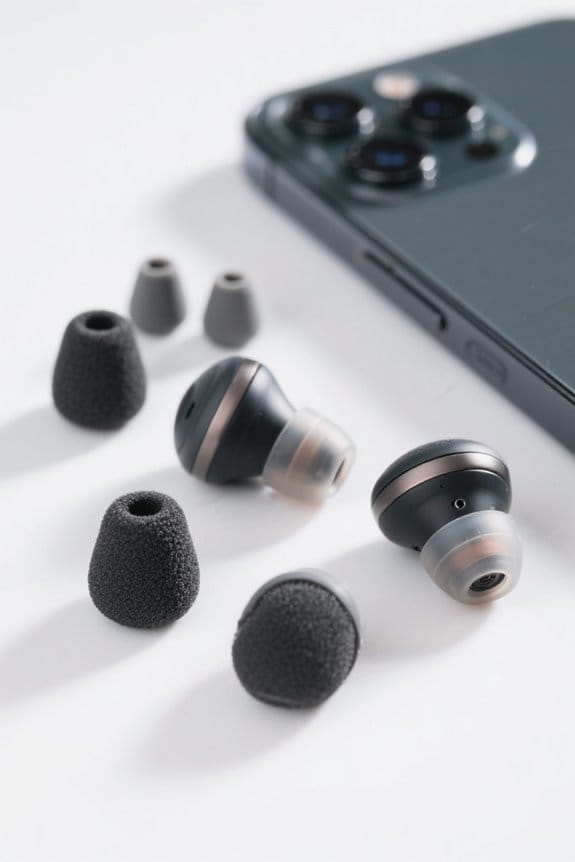
While some might overlook the importance of physical design in audio devices, the advantages of passive noise cancellation (PNC) are significant for users seeking an efficient way to reduce external sounds. PNC relies on snug-fitting ear cushions or tips, effectively blocking mid- to high-frequency sounds, such as conversations and environmental noises, by 15dB to 30dB. This design provides users with a purer sound representation, free from the distortions that often accompany electronic processing. Additionally, PNC is generally more affordable than active options, making it accessible to casual listeners. Many PNC devices also meet OSHA standards for hearing protection, underscoring their reliability and suitability for long-term use in various environments. For those concerned about device security, PNC offers both value and safety.
Recommended Products

FUSION OF MCLAREN STYLING WITH SUPERB SOUND - Celebrating the relationship between Bowers & Wilkins and McLaren, the Px8 Edition over-ear noise cancelling headphones feature a Galvanic Grey finish & Papaya Orange accent inspired by legendary racers
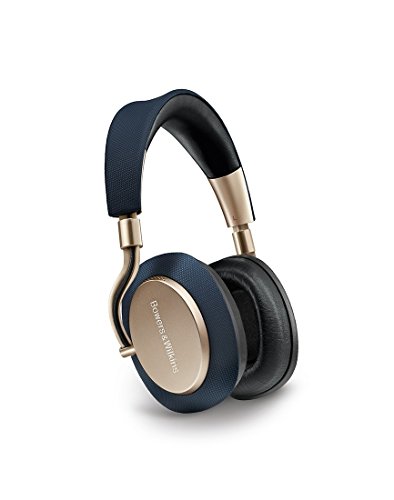
Frequency response - 20-20KHz

Frequency Response - 5 Hz - 35, 000 Hz and Impedance - 32 ohms
Benefits of Active Noise Cancellation

Typically, users benefit greatly from Active Noise Cancellation (ANC) technology, which excels at mitigating low-frequency sounds that can disrupt the listening experience. ANC utilizes advanced built-in microphones to monitor external sounds, generating opposing sound waves to cancel out unwanted noise effectively. This technology to cancel ambient noises makes it especially useful for travelers and those in busy environments. High-quality ANC headphones, like the Dyson OnTrac™, can achieve noise reduction of up to 40dB, considerably enhancing sound quality and audio clarity. In addition, ANC allows listeners to enjoy music at lower volumes, reducing ear strain over time. Customizable modes, such as Isolation and Transparency, provide users the perfect fit for their listening needs, ensuring their experience is both enjoyable and adaptable. For those interested in phone accessories, it’s important to consider drop protection capabilities when selecting a phone case, as they can influence the overall durability and protection offered.
Recommended Products

This Bundle Includes: 10x Poly Voyager Focus 2 UC Stereo Bluetooth Headset (Microsoft Teams Certified), BT700 Bluetooth Adapter, Charging Cable, Travel Pouch, Goby Labs Cleaner, Fiber Cloth

STATE OF THE ART: The best of Bang & Olufsen. The latest and most advanced iteration of our ever-evolving technology and engineering expertise.

Hi-Res Audio Certified: Immerse yourself in sound unlike anything you’ve experienced before. Hear every breath and drumbeat with a heightened sense of clarity and realism that will fill your senses.
Comparing Effectiveness: PNC Vs ANC
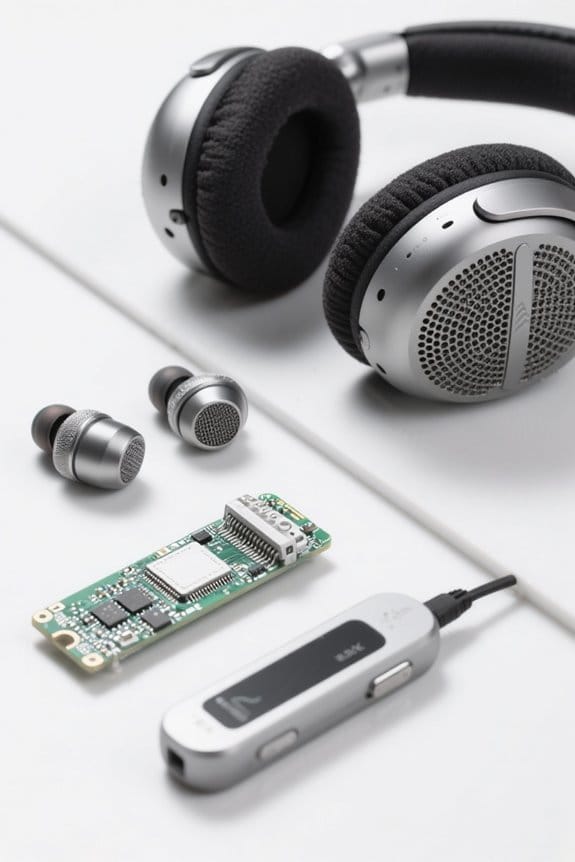
When considering the effectiveness of noise cancellation technologies, a comparison between Passive Noise Cancellation (PNC) and Active Noise Cancellation (ANC) reveals distinct advantages and limitations of each method. PNC relies on a physical barrier, like cushioned ear cups, effectively blocking mid- to high-frequency sounds and reducing unwanted noise by about 15dB to 30dB. In contrast, ANC technology uses microphones to detect ambient noise, generating phase-inverted sound waves that cancel out constant background noise, achieving up to 40dB of reduction, particularly for low-frequency sounds from engines. While ANC can block sounds like lawnmowers, it sometimes introduces distortion, which PNC circumvents. Moreover, many USB audio adapters now incorporate advanced DAC technology, enhancing sound quality through superior design. Overall, PNC offers simplicity and no battery maintenance, making it suitable for casual listening, while ANC excels in noisy environments.
Recommended Products

30% greater active noise reduction than conventional aviation headsets. Connectivity Technology: Wired/Wireless
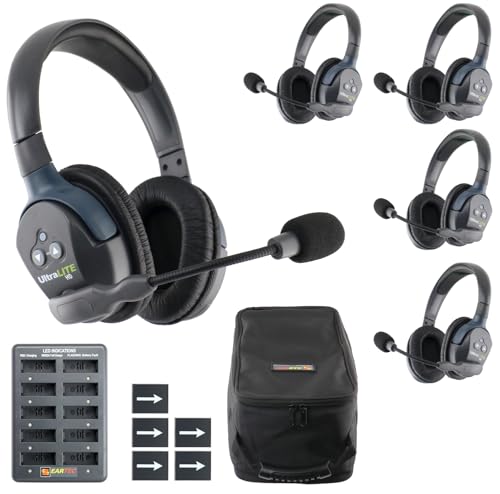
REAL-TIME WIRELESS INTERCOM FOR 5 — Have a true crew-wide conversation without pressing a button. The Eartec UL5D full-duplex wireless intercom system lets 5 users talk and listen at the same time, hands-free, the way you'd talk in person.

CREW-WIDE CONVERSATION, HANDS-FREE — The Eartec UL5D is a wireless intercom system for 5-person teams that need to talk and listen simultaneously. Full-duplex audio means no buttons to press — all 5 users hear each other in real time.
Power Requirements for Noise Cancellation
Power requirements for noise cancellation technologies considerably affect user experience and device performance. Active Noise Cancellation (ANC) relies on a power source, utilizing batteries to activate microphones and sound wave generation, aiming to counteract background noise. While ANC provides effective noise canceling, its continuous power usage can lead to diminished battery life during use. On the other hand, Passive Noise Cancellation (PNC) operates without any power, using design elements like snug-fitting ear tips for audio isolation. This makes PNC headphones cost-effective and simpler, appealing for users who prefer reliable sound blocking without the hassle of charging. Consequently, understanding the power requirements is essential for selecting the right noise cancellation technology for individual needs and preferences. Interchangeable tips are a feature often found in stylus pens that enhance versatility and extend the product’s lifespan.
Cost Considerations for PNC and ANC Headphones
Cost considerations play a pivotal role in the selection of headphones equipped with noise cancellation technologies. Passive Noise Cancellation (PNC) headphones typically offer a budget-friendly option, starting around $50. In contrast, entry-level Active Noise Cancellation (ANC) models usually begin at $100. High-quality ANC headphones can cost between $199 and $400, reflecting the advanced technology that incorporates multiple microphones and sophisticated sound processing features. While PNC headphones don’t require batteries and incur fewer ongoing costs, ANC models depend on rechargeable batteries, which may face wear over time, leading to potential long-term expenses. Custom-fitted PNC options, like UE FITS at $199, enhance sound isolation and comfort, making them worthwhile investments for some users when evaluating initial purchase prices and future costs. Additionally, fans with noise levels under 40 dB provide a quieter experience, similar to the quieter operation desired in noise-canceling headphones.
Recommended Products

BREAKTHROUGH SPATIALIZED AUDIO: Super immersive sound spatializes everything, taking the music out of your head and placing it in front of you to push the boundaries of listening.
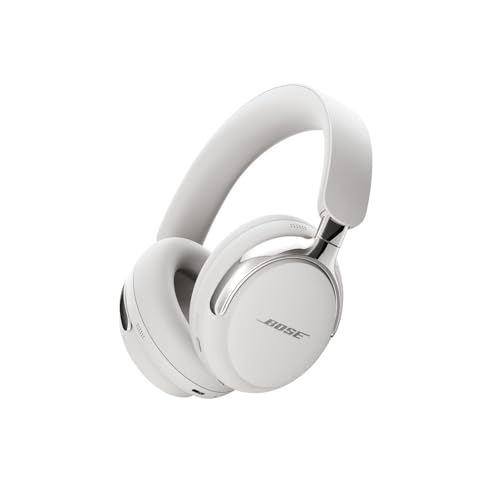
BREAKTHROUGH SPATIALIZED AUDIO: Super immersive sound spatializes everything, taking the music out of your head and placing it in front of you to push the boundaries of listening.

Precision noise canceling–reduces up to 99% ambient noise
Impact on Audio Quality and User Experience
Audio quality and user experience greatly benefit from both Active Noise Cancellation (ANC) and Passive Noise Cancellation (PNC) technologies. ANC excels at reducing unwanted sounds, particularly effective at filtering low-frequency background noise, such as airplane engine hums. It utilizes built-in microphones that detect ambient noise and create opposing sound waves. However, this process can slightly distort audio clarity. In contrast, PNC effectively isolates mid- to high-frequency sounds, such as conversations, using snug ear tips or cushioned ear cups. While ANC may suit busy urban environments, PNC headphones are generally lighter and portable, requiring no batteries. Both technologies enhance user experience by minimizing listening fatigue, promoting lower volume settings, and allowing for prolonged enjoyment of audio content without excess noise interruptions. Additionally, when considering wireless audio devices, it’s important to evaluate compatibility with specific devices to ensure optimal performance and user satisfaction.
Choosing the Right Noise Cancellation Technology for Your Needs
How can an individual select the best noise cancellation technology tailored to their unique requirements? When evaluating options, one must consider Active Noise Cancellation (ANC) and Passive Noise Cancellation (PNC). ANC excels at reducing low-frequency background noise, perfect for travelers facing engine hums. Conversely, PNC blocks high-frequency distractions, such as conversations, using physical design alone. Battery-dependent ANC, generally pricier, offers adaptability in unpredictable listening environments, while PNC delivers consistent sound blockage. For those prioritizing a comfortable fit during prolonged use, custom-fitted PNC designs, like UE FITS, minimize pressure points. Additionally, wireless earbuds with advanced noise cancellation can enhance immersive listening experiences while providing call clarity by minimizing environmental distractions, supported by customizable sound profiles. Ultimately, examining your specific listening environment—whether frequent travel or casual, quieter settings—will help determine the most suitable noise cancellation technology for your needs.
Recommended Products
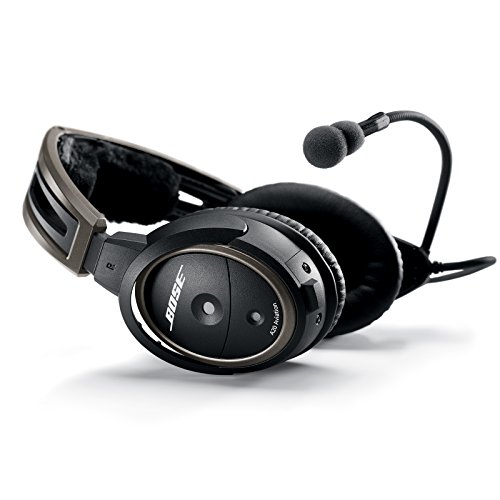
30% greater active noise reduction than conventional aviation headsets

Bluetooth 5.2 portable headphones with active noise cancelling

LONG-LASTING BATTERY. With up to 38 hours of playtime on a single charge with ANC, Beoplay H95 push the boundaries to give you more time to enjoy your music.
Frequently Asked Questions
Which Is Better, Active or Passive Noise Cancellation?
In a bustling café, users experience varying preferences for active advantages and passive strengths. While sound quality may improve with active options, battery life and cost differences influence comfort levels, leading to brand comparisons in real-world applications.
Which Is Better, ANC or PNC?
ANC offers significant advantages in low-frequency sound isolation, but requires battery power and may affect audio quality. PNC, while providing comfort and superior sound quality without wear and tear, has limitations in high-frequency noise reduction and usage scenarios.
What Is Active and Passive Voice Cancellation?
Active voice cancellation employs electronic techniques for noise reduction and superior audio quality, while passive techniques enhance sound isolation through physical design. User preferences, device compatibility, and comfort level influence the effectiveness against various environmental factors.
How Effective Is Passive Noise Cancellation?
Passive noise cancellation effectively minimizes environmental noise through sound isolation, enhancing audio quality. Its user comfort is heightened by customized ear design, while material effectiveness reduces background noise and sound leakage, improving travel experiences for users.