As an Amazon Associate, we earn from qualifying purchases. Some links on this site are affiliate links at no extra cost to you. Our recommendations are based on thorough research and editorial judgment.


USB-C Power Delivery: Understanding Wattage and Fast Charging

USB-C Power Delivery (PD) enables fast charging of devices, delivering up to 100 watts. It supports various gadgets, including smartphones and laptops, by adjusting voltage and current dynamically. For safety, high wattage requires specific cables capable of carrying up to 5 amps. USB PD versions 1.0, 2.0, and 3.0 enhance charging efficiency, with 3.0 providing adaptive profiles. This technology not only optimizes charging but also enhances device longevity. Discover more specifics on USB-C PD and its future potential.
Key Takeaways
- USB-C Power Delivery supports charging from 5W to 100W, accommodating a variety of devices including smartphones, tablets, and laptops.
- The technology enhances charging efficiency by dynamically adjusting voltage and current based on the device’s needs.
- Chargers compatible with USB-C PD can charge devices up to 70% faster than standard chargers, improving user convenience.
- Using the correct, compliant USB-C PD cables is crucial for safe high-wattage charging to prevent overheating and ensure device longevity.
- Safety features in USB PD protect devices from overcharging and electrical spikes, enhancing overall charging reliability.
What Is USB-C Power Delivery?
You may be interested


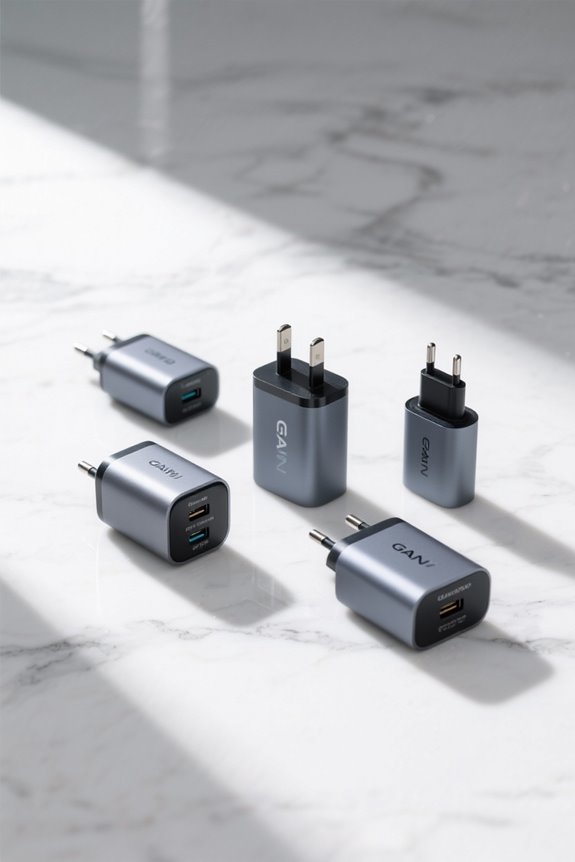
USB-C Power Delivery (PD) represents a major advancement in fast charging technology. This innovative power delivery technology allows for wattage up to 100 watts through a USB-C connector, greatly outperforming standard USB chargers. Designed by USB-IF, USB-C Power Delivery accommodates a variety of devices, including laptops, smartphones, and tablets, meeting their dynamic power needs. USB PD employs a sophisticated negotiation system, enabling the charger to communicate directly with connected devices for peak charging efficiency and safety. With three versions—1.0, 2.0, and 3.0—each iteration enhances power delivery capabilities. Overall, USB-C Power Delivery supports faster devices charging, resulting in speeds that can exceed traditional USB technologies by 70%, ensuring higher performance for users everywhere. Additionally, GaN technology is increasingly being used in chargers to provide efficient power delivery while preventing overheating and maintaining compactness.
Benefits of USB-C Power Delivery

One of the standout features of Power Delivery technology is its capability to charge devices at incredible speeds, making it a game changer in the domain of electronics. USB-C PD provides up to 100 watts of power, enabling fast charging for various devices, such as laptops and smartphones. It allows charging nearly 70% faster than standard USB chargers, greatly reducing device downtime. Additionally, the open standard of USB-C PD promotes charger compatibility across brands, eliminating the clutter of proprietary chargers. With its flexibility, USB-C PD adjusts wattage needs dynamically, ensuring safe charging—preventing overloading and extending device longevity. This higher performance makes it an essential choice for anyone looking to optimize their charging experience in today’s fast-paced environment. A notable advantage of USB-C PD is its compatibility tailored for specific brands, similar to the compatibility considerations found in triple wireless chargers.
Understanding Power Requirements

Understanding power requirements is essential for maximizing the benefits of USB-C Power Delivery technology. The USB-C PD specification accommodates a variety of power needs, delivering from 5W for small devices to 100W for larger ones, like laptops. Voltage ranges between 5V and 20V, depending on the device, while current draw varies from 0.1A to 5A. The power delivery spec allows for negotiation, ensuring a quick charge by delivering exactly the right amount of power. This dynamic adjustment supports fast charging capability, enabling users to charge devices efficiently. To achieve higher performance than standard options, using correctly rated 100W USB-C charging cables is vital to safely transport high currents and prevent hazards, such as cable fires. In addition, USB-C car chargers in 2026 often feature high power delivery options, such as 90W chargers, which are suitable for rapid charging of devices while maintaining safety and reliability.
Recommended Products

[All-in-One Home & RV Energy Hub] Boasting a massive 7.2kWh capacity and 6000W AC output, the F7200 drives 99.9% of heavy-duty appliances, including central ACs, pumps, and dryers. One unit handles what others need two for—the ultimate whole home battery backup

Items Include: DJI Mavic 4 Pro Drone, 64GB Memory Card, BackPack, Landing Pad, Cleaning Kit, Card Wallet, Card Reader
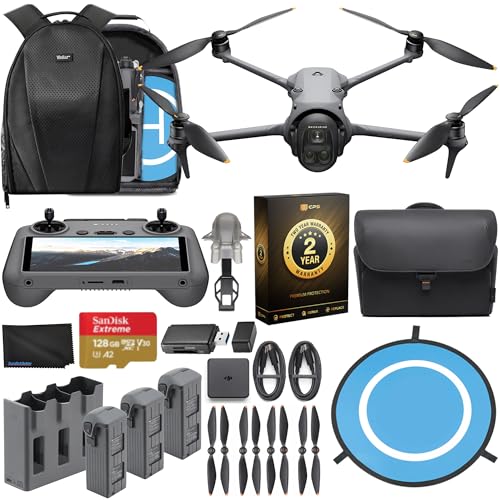
Advanced Triple-Camera System - The Mavic 4 Pro’s Infinity Gimbal features a triple-camera system: a 100MP Hasselblad wide-angle lens with 6K60 HDR and HNCS color, a 48MP medium tele for portraits, and a 50MP tele for sharp long-range shots. All support up to 4K slow motion (4K120 on wide/medium, 4K100 on tele), dual native ISO fusion, 10-bit D-Log, RAW frame stacking, and intelligent modes like Panorama and Subject Focusing—delivering professional results in any setting.
USB Power Delivery Standards: 1.0, 2.0, and 3.0

As technology advances, the evolution of USB Power Delivery (USB PD) standards becomes increasingly important for consumers and manufacturers alike. USB PD 1.0 introduced fixed power profiles, limited mainly to basic charging needs. In contrast, USB PD 2.0 markedly enhanced power delivery capability, supporting voltages from 5V to 20V and delivering up to 100W, making it suitable for larger devices like laptops. Additionally, USB PD 3.0 built on this foundation by incorporating dynamic profiles to adapt to varying power requirements, improving efficiency in device charging scenarios. Features like improved power management allow consumers to benefit from faster charging while ensuring compatibility across a wider range of devices. Each version reflects the industry’s commitment to meeting users’ evolving wattage demands. USB-IF certification ensures reliability and safety against overheating, which is a critical aspect of USB PD standards compliance.
Recommended Products

【Copilot+ & Next-Gen 45 TOPS AI Performance】Powered by the groundbreaking AMD Ryzen AI 9 HX 370 processor (up to 45W TDP) and an integrated NPU delivering 45 TOPS of XDNA-accelerated AI power, this laptop effortlessly handles local AI workloads, complex coding, and seamless multitasking. It is the ultimate high-performance workspace designed for forward-thinking creators, developers, and professionals.

【Elite Performance for Power Users】: Powered by the AMD Ryzen 7 7735HS (8C/16T, Up to 4.75GHz), this laptop is a beast for multitasking. Whether you're a professional analyzing heavy data, a student running complex simulations, or a creator editing 4K content, it ensures smooth, lag-free performance for your most demanding tasks.

【AMD Ryzen 7 7735HS 8-Core Processor with Radeon 680M Graphics】 Powered by the AMD Ryzen 7 7735HS processor (8 cores / 16 threads) with Radeon 680M integrated graphics, this laptop delivers fast, stable performance for business applications, multitasking, content creation, and everyday computing. Enjoy responsive system speed, smooth visuals, and reliable productivity without lag or interruptions.
Power Profiles and Device Compatibility

While power delivery technology has progressed considerably, the compatibility between devices and their respective power profiles remains essential for effective charging. USB-C Power Delivery supports various power profiles, ranging from 5W for smaller devices to 100W for larger electronics like laptops. Different devices also possess unique power requirements; for example, smartphones typically charge at 5V and up to 3A, while laptops may need 20V and 5A. This is where dynamic power profiles shine, enabling devices to negotiate their charging needs with compatible chargers. Ideal performance hinges on using appropriate charging cables, as non-compliant options can cause overheating or function ineffectively. Understanding each device’s wattage requirements can greatly enhance the fast charging experience and guarantee safe power delivery. Chargers with high wattage outputs are particularly beneficial for users seeking fast and efficient charging for high-powered devices like laptops.
Safety Features of USB-C Power Delivery
Safety features are paramount in USB-C Power Delivery (PD) technology, ensuring devices charge efficiently without risk of damage. The USB-C PD chipset utilizes smart charging capabilities to communicate with connected devices, determining ideal power delivery levels. This prevents overcharging, a common issue in less sophisticated systems. As devices draw high wattage, specially rated cables are essential; they transport high currents safely, mitigating hazards like cable fires. The USB-C connector design permits higher wattage usage, while built-in safety features actively prevent overheating. Significantly, continuous power management throughout the charging process guarantees efficient power delivery without risk, allowing users peace of mind. This advanced technology represents substantial evolution in charging solutions, prioritizing user safety above all else. Additionally, surge protection ratings of at least 1080J are crucial in safeguarding devices from sudden electrical spikes, further enhancing safety in USB-C Power Delivery systems.
Fast Charging Capabilities
USB-C Power Delivery (PD) revolutionizes charging efficiency, achieving speeds up to 70% faster than traditional USB chargers. This technology allows for quick charge capabilities, supporting outputs of up to 100 watts. It employs a USB Power Delivery chipset that dynamically negotiates power levels between chargers and devices. This means that whether charging a smartphone or a laptop, the best amount of power is delivered efficiently, reducing downtime. Flexible charging options eliminate the clutter of multiple chargers since a single cable can serve various devices. By adjusting power levels, PD also enhances battery lifespan, making it an excellent choice for modern tech users. As devices continue to embrace this standard, the fast charging landscape is changing for the better. The smart chips in modern adapters optimize charging speeds and prevent overcharging and overheating, ensuring safe and efficient power delivery.
Recommended Products

【High-Performance AMD Ryzen 7 7735HS Processor】Unleash elite responsiveness with the AMD Ryzen 7 7735HS processor, featuring advanced Rembrandt architecture and a 28W TDP. Whether you are running demanding business software, handling intense multi-tasking, or compiling code, this powerful CPU delivers smooth, lag-free execution. It is the perfect engine for professionals, remote workers, and students who refuse to compromise on speed.
【Elite Performance for Power Users】: Powered by the AMD Ryzen 7 7735HS (8C/16T, Up to 4.75GHz), this laptop is a beast for multitasking. Whether you're a professional analyzing heavy data, a student running complex simulations, or a creator editing 4K content, it ensures smooth, lag-free performance for your most demanding tasks.

【High-Performance AMD Ryzen 7 7735HS Processor】Unleash elite performance with the AMD Ryzen 7 7735HS Octa-Core Processor. Featuring 8 cores and 16 threads, this laptop breezes through heavy multitasking, 3D rendering, and professional video editing. The integrated AMD Radeon 680M Graphics ensure crisp, fluid visuals for casual gaming and 4K streaming, making it the ultimate workhorse for creators and professionals.
Voltage and Current Specifications
Understanding voltage and current specifications is essential for maximizing the efficiency of USB-C Power Delivery. This technology supports a voltage range from 5V to 20V, accommodating various power requirements. The current output varies from 0.1A to 5A, which enables efficient charging for both small accessories and high-power devices, like laptops. Different power profiles guarantee maximum power delivery—ranging from 10W for smaller devices to 100W for larger ones. Importantly, USB PD 2.0 and 3.0 facilitate dynamic voltage adjustments, enhancing overall charging efficiency. However, high-wattage setups require appropriately rated USB-C cables to safely manage increased current. Understanding these specifications helps users select the right setup, ultimately improving their charging experience and device longevity. Selecting MFi certified cables ensures compatibility and safety for Apple devices, enhancing the overall charging experience.
Special Cables for High Wattage
While many users may assume any USB-C cable will suffice for charging, those engaging in high wattage applications must be aware of the specific requirements for peak performance. For USB-C Power Delivery, special cables are crucial. These compliant charging cables can safely transport currents up to 5A, managing power delivery effectively. Standard cables may not support these higher levels, posing safety hazards, including overheating or potential fires. A high wattage USB-C PD cable typically features thicker wire and enhanced insulation to combat overheating risks. To guarantee excellent charging performance, users should always check that their cables meet USB-C PD specifications, avoiding non-compliant or undersized options, as these can slow charging and expose devices to unnecessary dangers. Consideration of fast charging protocols like Power Delivery and Quick Charge is essential for choosing the right power bank, as they significantly reduce charge times and enhance usability.
Recommended Products

【Powerful Performance, Exceptional Efficiency】MINIX NGC 512 (1TB) Windows mini pc powered by Intel Core i5-12600H processor (12 cores, 16 threads, up to 4.5GHz) and Intel Iris Xe Graphics, this small PC delivers a 34% performance boost compared to similar models. Ideal for multitasking in home offices, education, and Commercial application

CONNECT & SWITCH : The sleek Sabrent Thunderbolt 4 KVM Switch (SB-TB4K) is here, ready to help you share your Thunderbolt and USB devices between two host computers with high resolution display output. It’s an easy way to maximize your productivity, for work or for play.

【Powerful 1000W Output for All Needs】1000W continuous power and 999Wh capacity—powers small appliances, tools, and electronics. Great for camping (runs floodlights for 212 hours), home backup (keeps TV on for 56 hours), or RV use.
Popular Devices Supported by USB-C PD
A diverse array of devices now harness the advantages of Power Delivery technology. USB-C PD enables fast charging across smartphones, tablets, and laptops, ensuring wide device compatibility. For instance, devices like the Apple MacBook Pro and Dell XPS take advantage of up to 100W power delivery, facilitating efficient power management. Smartphones from brands like Samsung and Google offer charging speeds that can be 70% faster than traditional USB methods. Gaming phones, such as the ASUS ROG Phone, use USB-C PD to achieve impressive charging capabilities, often charging fully in under an hour. This adaptability to varying power requirements allows small accessories to leverage as little as 5W, making USB-C PD a versatile solution for many users’ needs. Many power banks now include built-in cables that support USB-C PD, providing hassle-free and efficient charging experiences for users.
Recommended Products

【Power Hub For All Your USB-C Devices】From high powered USB-C laptops to tablets and smartphones, Omnicharge can keep all your devices charged up. Compact and functional.also have function of overcharge protection.

【Power Hub For All Your Smart Devices】From laptops to cameras, drones, and smartphones, Omnicharge can keep all your devices charged up. Versatile and Functional.also have function of overcharge protection.compatible with android/ios/smart devices.
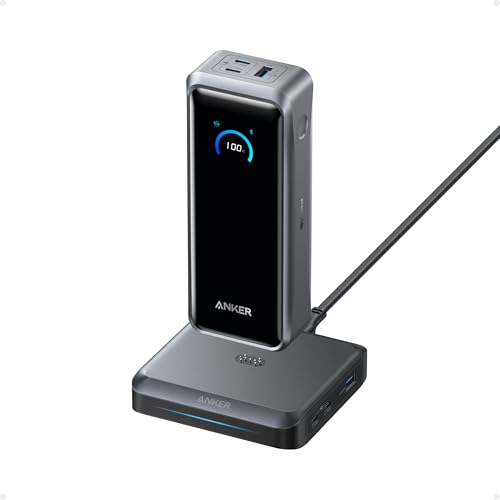
300W Total Output Power: Offers 300W max output across two USB-C and one USB-A port, keeping two MacBook Pros running at full speed.
Will USB-C Become the Universal Standard?
Could USB-C truly emerge as the universal standard for charging and data transfer? The rapid adoption of USB-C by leading tech companies underscores its potential. Supporting fast charging through USB Power Delivery (USB PD), this open standard can deliver up to 100 watts, accommodating multiple devices from smartphones to laptops. Its design eliminates compatibility issues, enabling users to charge various gadgets with a single charger. In addition, features like dynamic power negotiation make safer, more efficient charging, aligning with consumer demand for convenience. Moreover, rising global regulations push for a unified solution, favoring USB-C over proprietary systems. As tech continues to evolve, USB-C may indeed solidify its status as the go-to standard for electronic charging and connectivity.
Frequently Asked Questions
How Many Watts Is USB-C Fast Charging?
Devices utilizing USB-C fast charging can achieve power levels of up to 100 watts. This greatly enhances charging speed while improving battery health and user experience, provided compatible chargers and cables adhere to safety standards, reducing heat generation.
Is a 20W or 30W Charger Faster?
A 30W charger generally offers faster charging speeds than a 20W charger, benefiting device compatibility, improving heat management, enhancing energy efficiency, prolonging product longevity, and optimizing user experience, aligning with current market trends in adapter types.
Is a 25W or 45W Charger Better?
A laptop, needing quick recharges, benefits more from a 45W charger, offering better charging speeds and efficiency. For casual smartphone use, a 25W charger suffices, prioritizing price and heat generation over faster charging.
Is a 45W or 65W Charger Better?
A 65W charger generally outperforms a 45W charger regarding charging speed and device compatibility. However, considerations include device requirements, heat generation, power efficiency, cable quality, battery health, brand differences, cost, and user preferences.