As an Amazon Associate, we earn from qualifying purchases. Some links on this site are affiliate links at no extra cost to you. Our recommendations are based on thorough research and editorial judgment.


Wireless Charging Alignment: Why Position Matters for Efficiency

Proper alignment between wireless charging coils is key for efficiency. Misalignment can reduce energy transfer by up to 45%, leading to wasted power and excess heat. The Qi Standard emphasizes precise positioning within a “hot spot” to maintain ideal performance. Advanced technologies, like Magnetic Power Profile, enhance alignment, enabling easier device placement and faster charging. For example, magnetic cases can improve efficiency. Understanding these factors is essential for effective charging, and further insights await you beyond this point.
Key Takeaways
- Proper alignment between device and charger coils is crucial to maximize energy efficiency and charging effectiveness.
- Misalignment can lead to a significant drop in charging efficiency, up to 45%, and increase heat output.
- The Qi Standard emphasizes precise positioning within a designated “hot spot” to ensure optimal power transfer.
- Magnetic Power Profile technology aids in correct alignment by simplifying device placement, enhancing charging speed, and reducing energy loss.
- Future innovations may include multi-coil designs and real-time adjustments to improve charging efficiency without relying on precise alignment.
Importance of Proper Alignment in Wireless Charging
You may be interested


Proper alignment plays a pivotal role in the effectiveness of wireless charging systems. When using a wireless charging pad, achieving perfect alignment between the device and charger coils is essential. The Qi Standard specifies this alignment to maximize energy efficiency. Even minor misalignment, as little as a few millimeters, can cause significant reductions in charging efficiency—up to 45%. Furthermore, it may generate excess heat, which risks overheating and damaging the battery’s health. To combat this, modern systems often utilize magnetic fields to help align devices correctly. By ensuring proper positioning, users can enhance overall performance, reduce wasted energy, and promote longevity in battery life. Stand wireless chargers, like the ones offered by Anker and INIU, provide innovative designs that assist in maintaining correct alignment, ensuring optimal charging efficiency. Consequently, positioning within the charging range must not be underestimated for effective charging.
Recommended Products
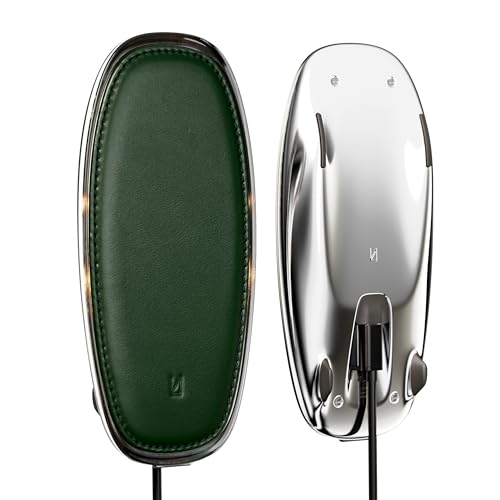
Lunar Artefacts Wireless Charger Lunar Forest Green Leather Chrome Magnetic Charging Pad

For Your Back Problems and Beyond: Enjoy full, comfortable red light therapy belt coverage of your lower back and waist, plus an outstanding fit for your upper back, arms, legs, and feet!
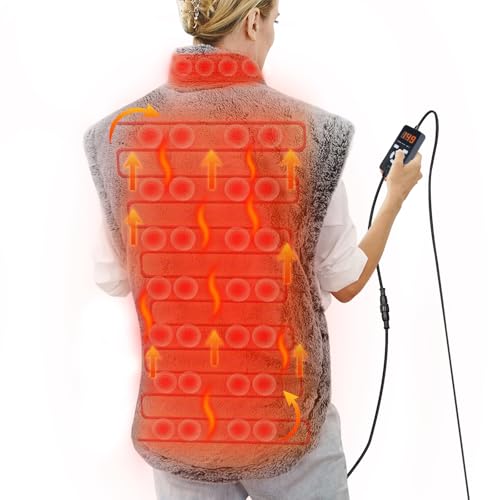
【5X Pain Relief Far Infrared Heating Pads】UTK Neck and shoulders and back Heating Pad adopts advanced far infrared technology. Compared with other ordinary heating pads, the far infrared heat it generates can penetrate deep into the skin, promote blood circulation, and quickly relieve pain. Let you feel comfortable instantly!
How Misalignment Affects Charging Efficiency

Misalignment in wireless charging systems occurs when the transmitting and receiving coils fail to align properly, thereby compromising efficiency. This misalignment considerably reduces charging efficiency because it disrupts the inductive connection essential for effective power transfer. When coils are misaligned, energy loss can increase due to distorted magnetic fields, causing excess heat that further diminishes performance. The Qi standard, which many common devices adhere to, emphasizes perfect alignment, as traditional wireless chargers necessitate precise positioning within a designated “hot spot” for ideal power delivery. Inefficiencies arising from misalignment can result in a drop in efficiency of 30% or more. Consequently, advancements, such as the Magnetic Power Profile, aim to improve alignment and mitigate these adverse effects on charging efficiency. Some wireless chargers, like the Anker 313 Wireless Charger, offer features to enhance device stability and alignment, ensuring more efficient power transfer.
Recommended Products

GL722 Dual Grade Laser for long range, high accuracy elevation control; Automatic self-leveling, advanced radio remote, grade matching, Planelok, and automatic axis alignment allow quick and accurate set-ups for any fine grading or major construction project
Advanced EMS Technology: The EMS electro-magnetic system allows for 25 precise speed level adjustments, catering to both high- and low-intensity workouts for a customizable fitness experience

The Role of Magnetic Power Profile in Qi2

To enhance the efficiency of wireless charging, the Magnetic Power Profile within the Qi2 standard plays a pivotal role. This innovative technology aligns devices correctly on charging pads, optimizing wireless power transfer and greatly improving charging efficiency. By using magnets, users can easily place their devices without worrying about precise positioning, removing common frustrations. Enhanced alignment not only boosts charging speed but also reduces energy loss and minimizes overheating risks. Consequently, it safeguards both the device’s battery life and the charger itself. In addition, the Magnetic Power Profile guarantees universal compatibility, allowing any Qi2 device to charge effectively with any Qi2 charger. This versatility makes it a major advancement in the domain of wireless charging solutions. The SUPFINE Magnetic Case for iPhone 14/13 is a prime example of a product designed with built-in magnetic rings, ensuring optimal alignment and efficiency with MagSafe chargers.
Recommended Products
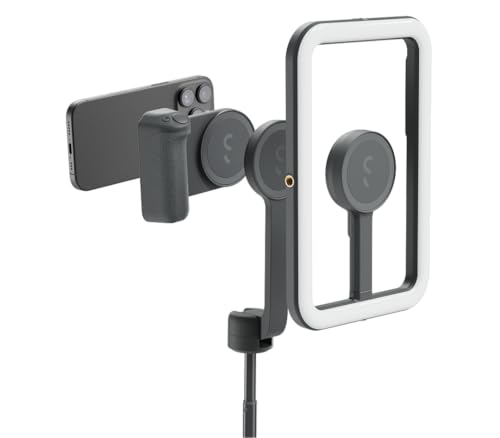
All-in-One Mobile Creator Kit – Includes SnapGrip Pro (Qi2 charging), SnapStudio Light, and SnapStand Max—made for stable framing and pro lighting anywhere you shoot.

15W Ultra-Fast Charging: Unlock the power of high-speed 15W charging, backed by Qi2 certification. Seamlessly compatible with MagSafe, it's high-speed charging redefined.

Clean Desk with Dual Retractable Cables: Say goodbye to cable clutter with Baseus Nomos retractable charging station. The dual built-in 80 cm/31.5 inches braided USB-C cables are tested for 35,000 pulls and feature precision damping gears for smooth pull-out and one-touch retraction. A smart charging station with retractable cables keeps your desk tidy, saves space, and reduces trip hazards—perfect for a modern workspace.
Comparing Charging Solutions: Qi Standard vs. Competitors

How do the charging solutions of the Qi Standard stack up against their competitors? The Qi Standard relies on precise alignment between its transmitting coil and receiving coils, greatly affecting efficiency. Even minor misalignment can result in power losses, making ideal positioning essential for effective energy transfer. Competing wireless chargers, such as those following the A4WP standard, struggle with alignment issues, resulting in slower charging speeds and user inconvenience. While Qi typically uses a single coil design, advancements like the Magnetic Power Profile in Qi 2 enhance overall efficiency, allowing users to charge multiple devices more effectively. In contrast, many competitors have not fully addressed these misalignment challenges, limiting their effectiveness in powering consumer electronics efficiently. It’s crucial to consider charging speed options when selecting a wireless charger, as they vary by device type and can impact overall power-up time.
Recommended Products

3-in-1 Wireless Charging Station: Designed to charge compatible smartphones, smartwatches, and wireless earbuds from a single charging setup.

Palm-Sized Foldable Design, Made for Travel: Measures just 3.74 × 2.38 × 1.22 inches and weighs 8.11 oz, about the same as an iPhone 17 Pro Max. Folds flat to fit in your pocket, bag, or tech pouch for easy packing. This is a wall-powered wireless charger, not a power bank.

Charge at the Highest Wireless Standard Available: Powered by 25W Qi2.2 ultra-fast charging, your iPhone 17 Pro charges to 50% in just 22 minutes—up to 6× faster than standard 5W wireless chargers. Enjoy the wireless speed you've been waiting for without compromising battery health. Actual performance may vary.
Future Innovations in Wireless Charging Alignment

Advancements in wireless charging alignment are set to reshape how devices draw power. Innovations like Magnetic Power Profile technology (as seen in Qi2) will eliminate misalignment problems. This guarantees that devices receive power efficiently, regardless of their position on the charger. Future systems will utilize real-time adjustments to the parameters of the transmitting coil and receiving coil, enhancing overall efficiency. Multi-coil designs may soon provide full surface coverage, enabling charging without precise device alignment. Additionally, improvements in detection speeds and power delivery through advanced simulations will minimize charging times. Ultimately, integrating enhanced Foreign Object Detection (FOD) systems will maintain safety while supporting free-position charging, making it more intuitive for users and further advancing wireless technology’s capabilities. Wireless charging stations with fast charging capability are essential for efficiency, ideally up to 15W.
Frequently Asked Questions
How to Increase Wireless Charging Efficiency?
To increase wireless charging efficiency, guarantee precise magnet alignment, use compatible charging pads that adhere to wireless standards, maintain minimal distance for ideal power transfer, and regularly clean surfaces to reduce energy loss during the charging technology process.
What Is the Best Position for Wireless Charging?
Misalignment can lead to a staggering 30% power loss. The best position for wireless charging involves ideal charging angles, precise charging pad placement, minimal device height factors, and effective alignment indicators to mitigate phone case impacts and speed variations.
Why Does My Phone Need to Be in a Certain Position to Charge?
A phone requires specific alignment on charging pads to guarantee proper coil positioning, optimizing electromagnetic waves for efficient inductive charging. This alignment enhances energy transfer, maximizes charging speed, and improves overall user experience and device compatibility.
How to Align Wireless Charging?
To align wireless charging, users should consult the user manual for coil positioning, guarantee correct device orientation, utilize alignment techniques, optimize charging distance, consider surface materials, and prioritize heat management for efficient power transfer.