As an Amazon Associate, we earn from qualifying purchases. Some links on this site are affiliate links at no extra cost to you. Our recommendations are based on thorough research and editorial judgment.


Battery Bank Passthrough Charging: Charging While Being Charged

Pass-through charging in power banks allows them to charge while simultaneously powering connected devices. This feature optimizes outlet usage but may result in slower charging speeds and increased heat. The MOJOGEAR ULTRA 26,800 mAh is a prime example, supporting multiple devices like smartphones and tablets. Important safety considerations include heat management and monitoring battery health. Users should select high-quality power banks with smart circuitry to guarantee efficiency and minimize risks. More insights into this feature are available.
Key Takeaways
- Pass-through charging allows a power bank to charge itself while simultaneously powering devices, optimizing outlet usage.
- It prioritizes either the power bank or connected devices, potentially slowing down charging speeds.
- Users may experience increased heat generation during pass-through charging, which can affect battery lifespan.
- Choose high-quality power banks with safety features and smart circuitry for effective pass-through charging.
- Regularly monitor the power bank for swelling or leakage to ensure safety and performance.
What Is Pass-through Charging?
You may be interested


Pass-through charging is an innovative feature found in some power banks that allows the device to charge itself while also providing power to connected gadgets. This convenient method is facilitated by specialized circuitry that manages power delivery, prioritizing based on the charge levels of both the power bank and the connected devices. While it enables users to charge while recharging, it’s essential to recognize that this process doesn’t happen simultaneously; the power bank prioritizes one over the other. Additionally, the charging speed may be reduced, as the current divides between devices. Continuous use of pass-through charging may generate extra heat, which can potentially shorten battery life and detract from overall performance, emphasizing the need for users to monitor usage closely. Some power banks with smart chip technology can reduce the risk of overcharging during pass-through charging, adding an extra layer of safety for users and their devices.
The Benefits of Pass-through Charging

The advantages of utilizing pass-through charging are significant, particularly in today’s fast-paced, tech-driven world. This system allows users to charge all your devices simultaneously from one outlet, enhancing efficiency and convenience. High-capacity power banks with smart design feature pass-through charging, enabling extra current distribution to smartphones, tablets, and laptops. This eliminates the need for multiple adapters, streamlining your charging setup. Additionally, digital control within the circuitry optimizes power allocation, reducing downtime for all devices. With innovations like solar panel integration, users can tap into renewable energy while powering multiple devices, making pass-through charging ideal for camping trips or outdoor activities. Overall, it’s a practical approach to portable power management that meets modern demands for versatility and efficiency. Many portable chargers also include built-in safety mechanisms such as overcurrent protection, ensuring reliable performance during use.
Recommended Products

【Power Hub For All Your USB-C Devices】From high powered USB-C laptops to tablets and smartphones, Omnicharge can keep all your devices charged up. Compact and functional.also have function of overcharge protection.

High-Efficiency, Quick Charging Capability: CUKTECH 20 Power Bank delivers 140W of power, fully compliant with the latest PD3.1 charging protocol. It eliminates the inconvenience of sluggish charging, offering a quick-charging solution tailored for devices such as MacBook Pro. Compared to ordinary high-power chargers, it's in a league of its own.
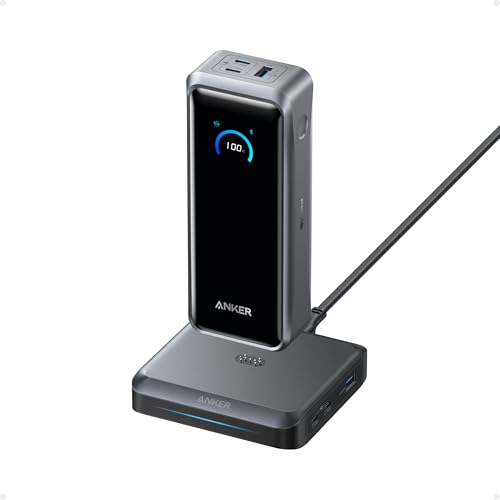
300W Total Output Power: Offers 300W max output across two USB-C and one USB-A port, keeping two MacBook Pros running at full speed.
Conveniently Charge Multiple Devices

When multiple devices require charging simultaneously, a well-designed power bank can meet this demand effectively. A power bank supports pass-through charging, allowing users to charge your power bank while providing power to multiple devices. This innovative charging means users can recharge smartphones, tablets, and even laptops all at once. For instance, travelers can efficiently charge their navigation systems and cameras without needing several adapters, streamlining their gear. The pass-through feature guarantees that connected devices receive adequate energy through digital control, optimizing the charging sequence while preventing overloads. Overall, this technology simplifies users’ lives, offering a practical solution in busy environments without sacrificing performance or convenience. Such capabilities are essential for modern charging needs. Some power banks come with comprehensive safety features such as overheat protection and intelligent charging management to ensure optimal device safety.
Recommended Products

【Built-In 130W Wall Outlet】Charge mobile devices, laptops, drones, cameras, and small appliances—all from a single compact power source.

【Easy-to-Use Pass-Through Charging】 Keep your devices running even while the power bank itself is recharging. When the unit is plugged in, the LED screen will display the battery level along with "IN" (Input mode). To begin charging your external devices simultaneously, simply press and hold the power button for 2 seconds until the screen switches to display "OUT" (Output mode). This seamless function ensures your laptops, smartphones, or CPAP machines stay powered on overnight or during unexpected outages
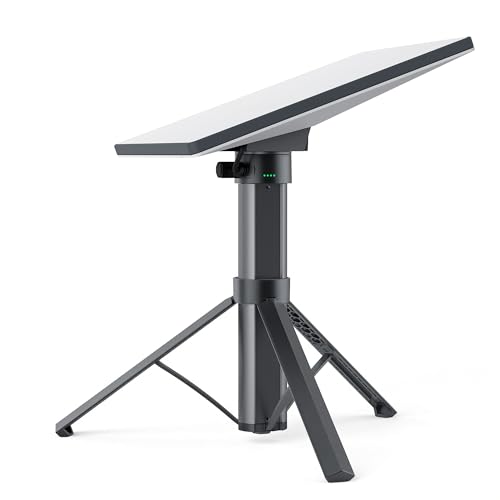
【Long-Lasting 6–8H Power】High-capacity 166Wh (45,000mAh) battery delivers reliable power for Starlink Mini. Ideal for camping, RV life, remote work, and emergency backup.
Maximize Efficiency With One Wall Outlet

How can users maximize their charging capabilities while minimizing clutter? Utilizing a power bank that supports pass-through charging can greatly streamline this process. For instance, the MOJOGEAR ULTRA 26,800 mAh power bank allows users to charge multiple devices, like smartphones and laptops, through a single wall outlet. This efficiency means that users can charge the battery while simultaneously powering devices, effectively optimizing the charge and discharge cycle. The intelligent technology detects the charging state of connected devices, efficiently prioritizing power delivery. Such setups are especially advantageous during travel or outdoor activities, where multiple power sources may be unavailable. By reducing the need for several chargers, pass-through charging not only minimizes clutter but also enhances user convenience. When selecting a power bank, it is important to consider fast charging protocols like Power Delivery (PD) and Quick Charge (QC) to ensure quick and efficient device charging.
Recommended Products

【999Wh Capacity & 1000W Continuous Power (2000W Peak) - Power Your Essentials for Days】 Delivers stable pure sine wave AC output that safely runs CPAP machines, mini-fridges, TVs, projectors, and laptops. Enough juice to charge a laptop 20+ times or run a mini-fridge for 20+ hours. Perfect for extended camping, RV travel, and emergency home backup.
![Krisdonia 100W USB-C PD Power Bank, 64000mAh Portable Charger Battery Pack [PD 3.0 USB-C 100W + DC 12/16/20/24V + Quick Charge QC 3.0 Dual Ports] for Laptop, Tablet, Smartphone, Projector and More](https://m.media-amazon.com/images/I/31NKqMrvpbL._SL500_.jpg)
【100W PD Power Bank for Laptop】Equipped with high powered 100W USB-C Port. The battery bank is capable of powering most USB-C laptops like MacBook, Lenovo YOGA, ThinkPad, Dell XPS, HP, etc. Fully charge Macbook Pro 13’’ within 2 hours.

【AC Outlet Portable Charger】: 110V/130W (max). AC outlet provides a good solution to AC power supply. Compatible with a wide variety of laptops, phones,TVs, printers, fans, lamps, mini fridges and other AC plug devices ( less than 130W ). 2 x 18W QC 3.0 USB-A ports for USB devices and 1 x 20W TYPE C port for Nintendo Switch, iPad.
Understanding the Mechanism of Pass-through Charging

Understanding how power banks operate can considerably enhance users’ experience, especially when utilizing devices with pass-through charging capabilities. Pass-through charging enables a power bank to simultaneously supply power to devices while receiving a charge. This is made possible through advanced circuitry, which effectively manages the flow of electricity. A vital aspect of this technology is its prioritization mechanism—power is directed to charging devices first before replenishing the power bank’s battery. However, not all models support this feature; users must check for specific terms such as “pass-through” or “power path.” Optimized designs reduce heat and battery wear, ensuring longevity. Compact and lightweight designs enhance portability, making pass-through charging an ideal solution for those who need reliable power on the go. This functionality is particularly beneficial during outdoor activities, providing power while utilizing solar panels or wall outlets.
Pros and Cons of Pass-through Charging
While pass-through charging offers a valuable solution for those needing simultaneous device power and charging capabilities, it presents a mix of advantages and drawbacks worth analyzing. One key advantage is the ability to optimize outlet usage by charging a power bank while also powering devices. However, this method often results in slower charge times. Shared current distribution can hinder the efficiency of charging both the power bank and connected devices. Furthermore, heat generation can compromise the lifespan of battery cells. The complexity of charging management varies among models, with some smart designs effectively minimizing heat. Users may also face delays in device readiness as the power bank’s capacity takes priority during pass-through charging. Consequently, it is essential to weigh these factors carefully. Additionally, safety features like overcharge protection can mitigate risks associated with heat buildup during pass-through charging.
How Pass-through Charging Impacts Charging Speed
Many users encounter notable challenges when utilizing pass-through charging, particularly in relation to charging speed. This method can result in slower overall charging rates, as power banks distribute incoming power between themselves and connected devices. When multiple devices draw power, charging efficiency can noticeably decline, leading to prolonged recharge times. Basic circuit designs may generate more heat during this process, activating safety mechanisms that limit current flow and further reduce charging speed. However, power banks equipped with smart path designs prioritize efficient battery charging, often providing faster charges and better thermal management. Users, particularly those relying on high-consumption devices like laptops, should consider these factors to optimize their charging experiences. Safety features such as over-voltage protection are vital for reliable operation, ensuring devices and users remain protected during charging.
Effects on Battery Health and Longevity
Battery health and longevity can be greatly impacted by the use of pass-through charging, a practice that many users may overlook. Excess heat from regular pass-through charging can be detrimental to lithium-ion batteries, accelerating their chemical aging. This added strain also reduces the overall lifespan of the power bank due to the stress of simultaneous charging and discharging functions. While users may expect faster charging speeds, they often experience slower performance instead, leading to longer wait times. Effective thermal and battery management systems can help mitigate these adverse effects, enhancing battery longevity. Frequent overheating can cause automatic shutdowns or even permanent damage, which illustrates the importance of understanding the implications of pass-through charging on battery health.
Choosing the Right Power Bank With Pass-Through Charging
How does one choose the right power bank with pass-through charging functionality? First, verify the specifications explicitly state that the power bank supports pass-through charging. Not all models offer this feature. Opt for power banks equipped with smart path designs, which prioritize the connected devices when charging, thereby enhancing efficiency and helping to protect the battery life. Reputable brands like MOJOGEAR often yield better performance and safety features during this process. Additionally, the input wattage from your wall charger should match or exceed the power bank’s charging requirements. Finally, look for built-in protections against overheating and overcharging, as these characteristics are essential for keeping your devices safe while charging the power bank simultaneously. When selecting a power bank, consider those with comprehensive safety features, such as surge protection and fire-resistant materials, to ensure device safety during charging.
Recommended Products

99Wh TSA Approved - Travel Without Limits: Take high-speed internet anywhere. Engineered with a 99Wh (27,500mAh) capacity, this Starlink Mini power bank is fully "Carry-on Compliant" and TSA-approved. It’s the ideal lightweight companion for digital nomads who need reliable Starlink Mini battery power on roads, boats, RVs, or remote trails. As a must-have Starlink Mini accessory, it ensures your connection stays live across different terrains and transit modes

Custom-Fit Design for Starlink Mini: This Starlink Mini power bank is custom-shaped to fit perfectly with the Starlink Mini. The snap-on buckle design ensures a secure connection—no need to mount or remove repeatedly. Weighing just 1.42 lbs, it aligns seamlessly with the unit for compact, all-in-one portability. Note: The power bank is compatible with Starlink Mini only, not other Starlink models. Includes 3 standard 1/4" screw holes for easy mounting on various tripods

X‑Stream Ultra‑Fast Recharge. Fully recharges in only 20 minutes with 320W input. 140W single‑port input charges to 80% in 40 minutes; 280W multi‑port input reaches 80% in 26 minutes, ideal for fast daily recharging.
Safety Considerations for Pass-through Charging
Choosing a power bank with pass-through charging capabilities is only the first step in ensuring a safe and efficient charging experience. Safety should be a priority; accordingly, it is essential to select chargers with recognized safety logos like UL and CE. These indicate that the product has undergone rigorous testing to prevent fire and electrical hazards. Continuous pass-through charging can generate excessive heat, which may shorten the lifespan of lithium-ion battery cells. To combat this, power banks should have advanced battery management systems (BMS) that actively monitor charging conditions to prevent overheating. Users must also conduct regular monitoring for any signs of swelling or leakage, as these can indicate serious safety risks associated with improper pass-through charging practices. Safety certifications indicate adherence to industry standards, making them a crucial factor when selecting a charger.
Practical Tips for Using Pass-through Charging Effectively
When utilizing pass-through charging, it is necessary for users to adopt effective strategies that maximize efficiency and enhance safety. First, they should choose a high-quality power bank that supports smart circuitry, minimizing overheating risks. It’s also vital to charge each device on a sturdy, well-ventilated surface to guarantee enough capacity for performance. Users should limit pass-through charging to important situations, reducing heat stress caused by frequent cycles. Pairing the power bank with a compatible wall outlet that exceeds the input wattage guarantees swift charging and device power. Regular maintenance, such as keeping the battery at about 50% charge and recharging every few months, helps maintain battery health. These practices collectively guarantee a reliable pass-through charging experience.
Recommended Products

Panamax M4315-PRO bluebolt outlet 15 amp power MANAGEMENT with control and energy monitoring

【Upgraded Version Of 1550B】The SP-20032 pro press tool is crafted from durable PA and aviation-grade 7075-T6 aluminum alloy,Trigger/Run switch of lifespan can reach 299 thousand times+,copper pipe crimper core integrates an 18V motor that delivers 32 KN of force and 50 MPa of pressure. one crimping cycle = 3-4 s,200+ crimps per hour. —boosting efficiency by 30% other pro press tool, by 50% than standard tools,Safer than traditional copper pipe welding. The 180° rotatable jaw easily accesses confined spaces.

[Upgraded Version Of 1525] The 12522 pro press tool is crafted from durable PA and aviation-grade 7075-T6 aluminum alloy. Trigger/Run switch lifespan hits 299k+ cycles; its copper pipe crimper core has an 18V brushless motor delivering 22 kN force & 40 MPa pressure. One crimping cycle = 3-4s, 300+ crimps/hour—30% more efficient than other pro press tools, 50% than standard ones. Safer than traditional copper pipe welding. 180° rotatable jaw accesses confined spaces easily.
Frequently Asked Questions
Can a Power Bank Charge While Being Charged?
Yes, a power bank can charge while being charged, though efficiency may decrease. Users must consider charging speed comparison, battery lifespan impact, inverter capabilities, and potential safety concerns associated with heat generation during continuous use.
Does Passthrough Charging Damage the Battery?
Passthrough charging can indeed jeopardize battery lifespan by amplifying heat generation, diminishing charging efficiency, and straining power management systems. Consequently, device compatibility may suffer, leading to premature wear and reduced performance over time.
Does Bypass Charging Still Charge the Battery?
Bypass charging does not charge the battery during operation; it prioritizes external devices instead. Safety concerns arise regarding overheating, while efficiency rates vary based on usage scenarios and device compatibility, affecting overall charging speed.
How Does Pass-Through Charging Work?
Pass-through charging elegantly orchestrates energy flow through a refined pass-through design, optimizing charging efficiency. This provides user convenience and enhances battery lifespan, ensuring compatibility with various devices while balancing power distribution for simultaneous charging needs.