As an Amazon Associate, we earn from qualifying purchases. Some links on this site are affiliate links at no extra cost to you. Our recommendations are based on thorough research and editorial judgment.

Cable Materials and Charging Speed: Copper Vs Aluminum Cores

Copper and aluminum cables differ greatly in charging speed. Copper boasts an electrical conductivity rating of 100% IACS, while aluminum sits at 61%. This disparity results in faster, more efficient charging with copper, since lower resistive losses enhance performance (especially under high loads). Although aluminum is cheaper and lighter, its larger size requirements make installation more complicated and less efficient overall. For those interested in cable performance, understanding these differences is essential for optimizing charging setups.
Key Takeaways
- Copper cables offer 100% IACS conductivity, outperforming aluminum’s 61%, leading to more efficient charging.
- Copper’s superior tensile strength and durability minimize energy loss and improve overall charging performance.
- Aluminum cables require larger sizes to match copper’s efficiency, complicating installation and potentially increasing costs.
- Copper dissipates heat better during high-load conditions, maintaining performance without degradation during rapid charging.
- While aluminum is cheaper, copper’s long-term durability leads to lower replacement and maintenance expenses.
Factors Influencing Charging Speed
You may be interested



Charging speed is influenced by several important factors, which collectively determine how quickly a device can replenish its battery. The power output of a charger notably impacts this speed; higher wattage translates to quicker charging times. Compatibility among the charger, cable materials, and device charging protocols is essential for best performance. High-quality cables made from copper excel in conductivity and low resistance, enhancing both charging efficiency and speed. Conversely, aluminum cables, which often have higher resistance, may require larger cross-sections to match copper’s performance levels. Accordingly, investing in high-quality cables is crucial for maximizing energy efficiency. Finally, while insulation materials don’t directly affect charging speed, they play an important role in ensuring cable durability across various environments. In the realm of Bluetooth technology, Bluetooth 6.0 provides enhanced compatibility and stability, which are crucial for optimal performance in audio devices.
Recommended Products
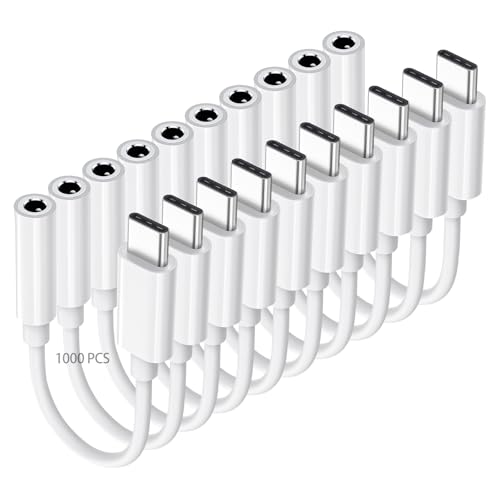
【Universal Compatibility】This headphone audio adapter compatible with most of the type c phones Compatible with iPhone 17/iPhone Pro/ iPhone 16/iPhone 16 Pro/ iPhone 15/ 15 Pro/ 15 Pro Max, Galaxy S21 Ultra/ S21 Plus/ S21 5G 2021, Google Pixel 5, 4, 4 XL, 3, 3 XL, 2, 2 XL, S20 FE 5F 2020, S20 5G, S20 Plus, S20 Ultra, Note 20, Note 20 Ultra, Note 10, Note 10+, Galaxy Tab S5e, Tab S6, Huawei P40 Pro, P30 Pro, P20 Pro, Mate 20 Pro, Mate 30 Pro, Mate 40 Pro, HTC, More.

【Programming Power Mode & Vehicle Display Mode】The EM385 is designed to provide a stable voltage under varying loads during major vehicle ECU reprogramming and diagnostic work. Programming power supplies supply current up to 150A, voltage range 9-16V. The display mode will output uninterruptible power supply and restart automatically in case of power failure, providing stable power support during vehicle display and battery replacement in the showroom.

50AMP Extension Cord: This extension cord is not only designed for extending RVs, Campers, and Trailer but also an ideal cord for EVs with NEMA 14-50 (Level 2) 240V charging, it takes 6-30 hours which is faster than charging with NEMA 5-15 (Level 1) 120V charging (4 days). Also handy for plugging in bigger outdoor items like a generator or wherever you need it. You should get this "Just in case" you encounter a charging site needing more than 100FT.
Comparative Properties of Copper and Aluminum

When evaluating the comparative properties of copper and aluminum, it becomes clear that each metal has unique advantages and limitations that affect their application in electrical systems. Copper wire boasts an electrical conductivity rating of 100% IACS, considerably outperforming aluminum, which sits at 61%. This discrepancy requires larger aluminum cables to match copper’s performance. Regarding tensile strength, copper excels, offering greater durability and resistance to fatigue under stress. Consequently, copper generates lower resistance and reduces energy loss, enhancing efficiency in high-load applications. On the other hand, aluminum, being lighter, presents weight savings, particularly beneficial for overhead power lines. However, exclusive treatment may be necessary for aluminum due to its oxide layer, which can hinder conductivity. In screen mirroring adapters, dual-band Wi-Fi is crucial in maintaining a stable and seamless connection, which is similar to how copper’s superior conductivity ensures efficient energy transmission.
Recommended Products

Color: Bright yellow for high visibility and easy identification in your workspace

HEAVY-DUTY 6 GAUGE WIRE: Features 500 ft of 6/3 wire with ground, ideal for residential and commercial electrical installations requiring reliable power and durability.

Amp Up Marine 125/250 Volt 100 Amp Male x (2) 125/250 Volt 50 Amp Females Y Splitter Adapter - 95663
Mennekes ME4100P12M Male 100 Amp Plug
Thermal and Electrical Performance in Charging Applications

In evaluating the thermal and electrical performance of cables used in charging applications, the differences between copper and aluminum become more pronounced. Copper cables exhibit a 100% IACS electrical conductivity rating, far superior to aluminum’s approximately 61%. This efficiency translates into lower resistive losses (I²R) and reduced heat under high load conditions, essential for fast-charging electric vehicles. Copper’s superior thermal performance allows it to dissipate heat effectively, preventing performance degradation during rapid energy transfer. Conversely, aluminum cables necessitate larger cross-sectional areas to match copper’s capabilities, complicating installation and potentially slowing charging speed. Overall, copper’s advantages in both electrical conductivity and heat dissipation make it the preferred choice for reliable, high-demand charging applications. In the context of charging dock stations, advanced safety features are crucial to protect devices during charging, ensuring reliability and user safety.
Recommended Products

Enlarged Capacity From 3.84kWh: Anker SOLIX F3800 has 3.84kWh to power your family's needs for one day. If that's not enough, add up to 6 battery packs to expand capacity to 26.9kWh. For extreme situations, add another Anker SOLIX F3800 and 12 battery packs for enough power for two weeks.
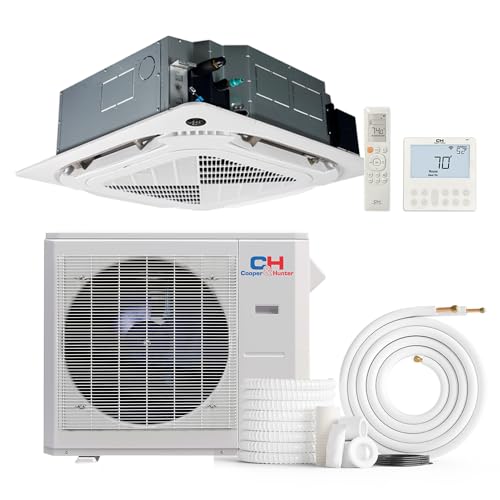
Cooper & Hunter 24,000 BTU Ceiling Cassette Ductless Mini Split AC/Heating System with Wall Thermostat and 16FT Installation Kit included. Powerful 24,000 BTU Performance – effectively cools and heats large rooms or open-plan spaces with energy-efficient inverter technology rated at 22 SEER2 for cost-saving performance.

ULTIMATE STORAGE: This 72-inch rolling tool chest comes with 15 drawers(3 large and 12 small), 3 upper cabinets, and a pegboard, which provides a decent amount of storage space to keep a variety of tools organized. The 18-inch deep wood top also provides a spacious working surface.
Durability and Reliability Under Stress

Durability is a critical factor in the performance of cables subjected to mechanical and electrical stress. Copper conductors outperform aluminum wire regarding tensile strength, handling wear about 40% better under mechanical stress. This makes copper preferable in demanding applications where robust durability is essential. Aluminum, being softer and more ductile, often succumbs to cracking, resulting in reduced reliability over time. Additionally, copper’s corrosion resistance, safeguarded by a protective oxide layer, guarantees excellent conductivity. In dynamic conditions, copper’s resistance to mechanical fatigue prevents brittle failure, whereas aluminum is prone to deterioration. Ultimately, lower resistive losses in copper enhance heat management, contributing to faster charging speeds and overall reliability, confirming copper as the superior choice for long-lasting cable performance. Furthermore, cables with USB-IF certification offer enhanced safety features, minimizing risks during charging, which is crucial for optimal user safety.
Cost Analysis of Materials

Cost considerations play an integral role in selecting cable materials, particularly in comparing copper and aluminum. Copper, while having a higher initial cost, often results in lower installation costs due to its excellent electrical conductivity, allowing for smaller diameters. Conversely, aluminum cables are 30-50% cheaper per pound, making them attractive for budget-conscious projects. However, using aluminum may lead to increased overall costs, as larger sizes are required for equivalent performance, raising material and labor expenses. In the long run, copper’s durability can reduce maintenance and replacement expenses, providing a better long-term investment. Additionally, aluminum’s lower environmental impacts may appeal to sustainability-focused initiatives, enhancing its viability in eco-conscious projects, balancing cost and sustainability effectively. When choosing materials, consider premium vegan leather for its eco-friendliness and durability, similar to the considerations for cable selection.
Recommended Products


Size AWG : 1/0-1/0-1/0-2
Weight and Performance Trade-Off
While both copper and aluminum cables serve critical roles in electrical applications, a careful evaluation of their weight and performance trade-offs reveals distinctive advantages and disadvantages. Copper boasts superior conductivity at a 100% IACS rating, resulting in reduced resistive losses during charging. Conversely, aluminum’s ~61% IACS rating necessitates larger cables for comparable performance, impacting overall weight adversely. Despite its lightweight nature simplifying installation, aluminum is prone to corrosion and larger cross-sections can lead to increased long-term costs. Copper’s durability guarantees a 40% increase in mechanical reliability over aluminum. Engineers often use nylon braided materials in charging cables to enhance durability and prevent wear and tear. Thus, engineers often strategically use aluminum for weight-sensitive applications while reserving copper to guarantee peak performance where reliability is paramount, illustrating a thoughtful trade-off depending on project requirements.
Recommended Products

DURABLE MATERIAL: Phone cable With 8000+times bend lifespan and integrated molding process, the nylon braided jacket is super smooth and comfortable, more durable than standard Phone charger cord.

【High-Efficiency Charging Cable】This solar to xt60 cable use 10AWG tinned copper wire with high quality PVC nylon material (Heat resistant to 105℃).Tinned copper has low resistance,antioxidant and anti-corrosion which ensures good electrical conductivity and good durability,providing stable current for your device.

DURABLE MATERIAL: Phone cable With 8000+times bend lifespan and integrated molding process, the nylon braided jacket is super smooth and comfortable, more durable than standard Phone charger cord.
Sustainability and Recycling Considerations
As the demand for eco-friendly solutions in technology grows, sustainability in cable materials has become an essential consideration. Copper is highly recyclable, retaining excellent electrical conductivity even after multiple cycles. In contrast, aluminum has a lower environmental impact during production but struggles with lower recycling rates, around 50%, compared to copper’s impressive 90%. Although aluminum is less conductive, advancements in recycling, particularly with TPE insulation, are improving its sustainability. Both materials contribute to energy efficiency in electrical applications, yet their durability and lifespan can impact their overall environmental footprint. As industries enhance recycling processes, focusing on design for recyclability will further reduce environmental impacts, enabling greener choices for future technology. Look for EN 13432 certification in materials, indicating commitment to eco-friendliness and compostability.
Frequently Asked Questions
Which Cable Is Better, Copper or Aluminium?
Copper is generally superior due to its high conductivity, heat resistance, and fatigue resistance, though aluminum offers advantages in weight and cost. However, corrosion effects and manufacturing processes influence their long-term value and energy efficiency.
What Cables Charge Faster?
In a fast charging scenario, copper cables demonstrate superior conduction efficiency, material durability, and heat resistance. Their lower electrical resistance minimizes energy loss and enhances power delivery, making them more compatible with advanced charging technology than aluminum cables.
Why Is Aluminum Better Than Copper for Power Lines?
Aluminum excels over copper for power lines due to lightweight attributes, cost efficiency, higher ductility properties, and superior corrosion resistance. Its conductivity, while lower, results in less power loss, making it suitable for specific applications despite tensile strength limitations.
Why Do We Use Aluminium Instead of Copper to Make Cable?
Why choose aluminum for cable production? Its cost efficiency, lighter weight, and improved thermal conductivity outweigh lower electrical conductivity. Sustainability, greater corrosion resistance, and advancements in manufacturing processes enhance longevity factors while meeting industry trends and safety standards.