As an Amazon Associate, we earn from qualifying purchases. Some links on this site are affiliate links at no extra cost to you. Our recommendations are based on thorough research and editorial judgment.


Self-Healing Screen Protectors: Technology Behind the Magic

Self-healing screen protectors use advanced materials like Shape-Memory Polymers (SMPs) and embedded microcapsules. When scratches occur, the SMPs can regain their original shape with heat, while microcapsules release healing agents to repair damage. This technology not only enhances durability but also reduces electronic waste. However, it still faces challenges, such as difficulty in repairing deep cracks. Understanding more about these technologies can shed light on their future potential and environmental benefits.
Key Takeaways
- Self-healing screen protectors use Shape-Memory Polymers (SMPs) to restore minor scratches to their original shape through heat exposure.
- Embedded microcapsules release healing agents upon impact, filling scratches and enhancing protective capabilities.
- Advanced nanosoldering technology repairs microscopic damage, mimicking natural biological healing processes for improved longevity.
- These eco-friendly materials reduce electronic waste and promote a circular economy by extending device lifespans.
- Flexible TPU materials ensure high transparency and smooth touch interaction while maintaining durability against daily wear and tear.
Understanding Self-Healing Technology in Screen Protectors
You may be interested


Understanding self-healing technology in screen protectors involves exploring the innovative materials and mechanisms that enable these products to repair themselves. The heart of this technology lies in materials called Shape-Memory Polymers (SMPs). When exposed to minor scratches, these SMPs can revert to their original shape, effectively repairing the damage. Additionally, microcapsules within the protector release healing agents to fill in scratches as needed. Many self-healing screens also feature an oleophobic coating, which minimizes fingerprints and enhances cleanliness. Despite these advancements, the current technology primarily addresses only minor scratches. Ongoing research aims to improve recovery for deeper cracks. Though promising, self-healing screens remain in the prototype phase, necessitating consumer education to manage expectations regarding their effectiveness. Furthermore, self-healing screen protectors utilize advanced TPU materials that provide elasticity and scratch resistance, offering a protective layer against drops and impacts.
The Mechanisms of Self-Healing: How It Works
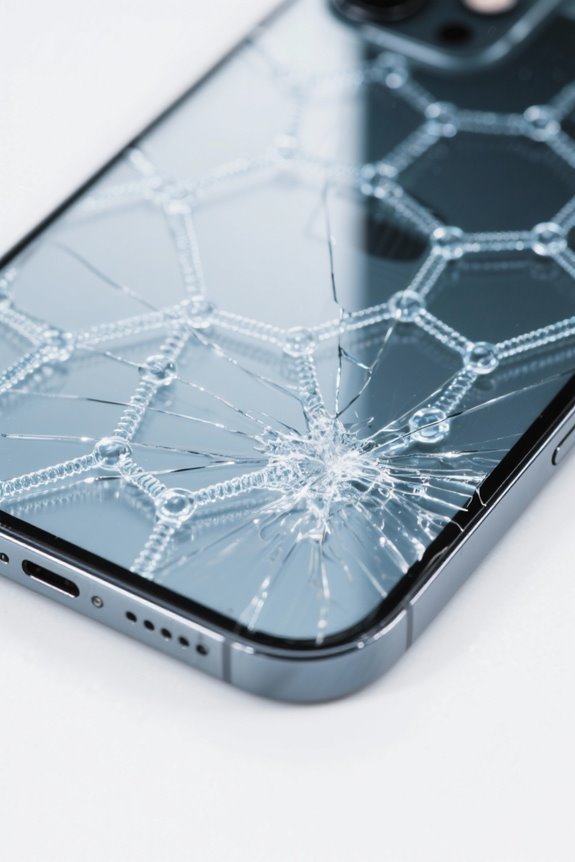
While many gadgets appear fragile, self-healing screen protectors offer a remarkable blend of innovation and resilience. These protectors utilize Shape-Memory Polymers (SMPs), which enable them to return to their original form when exposed to mild heat, effectively repairing minor scratches. Embedded microcapsules release healing agents upon impact, filling in small nicks on the surface. This process not only restores the protector’s integrity but also enhances its lifespan. Advanced nanotechnology further elevates functionality by allowing nanosoldering, repairing damages at a microscopic level. Inspired by nature’s regenerative processes, these screen protectors mimic biological healing, showcasing remarkable potential in maintaining device aesthetics. Overall, the combination of SMPs, healing agents, and nanotechnology establishes a new standard in device protection. Additionally, 9H hardness rating in tempered glass protectors indicates high scratch resistance, contributing to the overall durability and effectiveness of the screen protectors.
Current Limitations and Future Potential of Self-Healing Screens

As advancements in technology continue to evolve, self-healing screens face notable constraints, particularly in their ability to address more severe damage. Currently, these screens effectively recover from minor scratches but struggle with deep cracks or significant impacts. The commercialization of self-healing screens remains in early stages, with many innovations still existing as prototypes. Surrounding these innovative materials, higher production costs may deter consumer adoption. Research is ongoing, aiming to develop multilayer systems that enhance damage recovery capabilities. Future advancements inspired by nature’s self-healing organisms could revolutionize the field, allowing self-healing technologies to be integrated into entire devices. Nevertheless, achieving broader applications will require overcoming current limitations while making these innovations more accessible and affordable for users. Designers are exploring sturdy materials used in desk phone holders to inspire improvements in the durability of self-healing screens.
Environmental Benefits of Self-Healing Screen Protectors

Sustainability emerges as a vital concern in today’s technology-driven world, particularly in the domain of electronic devices. Self-healing screen protectors, made from eco-friendly materials, contribute greatly to reducing the environmental impact of gadgets. By repairing minor damages autonomously, these protectors minimize the need for screen replacements, effectively lowering electronic waste in landfills. This reduction supports a circular economy, promoting longer lifespans for devices. Additionally, the production of self-healing screen protectors is designed to be less resource-intensive than traditional options, further aiding in resource conservation. Adopting this technology not only aligns with responsible consumer choices but also encourages the use of products that emphasize longevity while decreasing the overall environmental footprint associated with electronic devices. Brands increasingly focus on sustainable manufacturing practices to ensure their products have minimal environmental impact.
User Experience: The Feel and Functionality

Self-healing screen protectors not only contribute to environmental sustainability but also greatly enhance user experience through their design and functionality. These self-healing screen protectors are constructed from flexible TPU materials, offering a smooth, skin-like feel ideal for seamless touchscreen interaction. This softer touch contrasts sharply with traditional glass options, improving overall comfort for users. Their ultra-thin design guarantees transparency levels reach up to 99%, thereby preserving the original display quality. Importantly, they can automatically repair minor scratches and bubbles, maintaining a fresh appearance over time. Designed for various devices, these protectors cater to diverse user preferences and enhance satisfaction with touchscreen responsiveness. Ultimately, they represent a significant advancement in functional technology for electronic devices. A key feature of many screen protectors is military-grade testing which ensures added reliability and protection from impact damage.
Comparing Self-Healing Screens to Traditional Protectors
While traditional screen protectors have long served the essential function of shielding devices from scratches, their limitations become evident when compared to modern self-healing options. Self-healing screen protectors utilize advanced polymers, such as Shape-Memory Polymers (SMPs), to automatically repair minor scratches and nicks within 24 hours. In contrast, traditional protectors, often made from glass or plastic, lack this self-repair feature and necessitate replacement for any significant damage. The multi-layered construction of self-healing protectors enhances their resistance to everyday wear, providing a long-term solution. Although they may carry a higher upfront cost, the durability of these advanced options can lead to cost savings by reducing screen replacement frequency, thereby improving overall user experience and protecting investment. Consider screen protectors like the EGKimBa Privacy Screen Protector, which offers additional features like blue-light blocking to reduce eye strain, as a blend of protection and user comfort.
The Role of Material Science in Advancements of Screen Protection
Material science stands at the forefront of innovation in screen protection, particularly through the development of self-healing technologies. Self-healing screen protectors leverage Shape-Memory Polymers (SMPs), materials engineered to revert to their original state when heated. The use of microcapsules, which release healing agents upon impact, enables these protectors to autonomously fill scratches and recover from minor damage. Additionally, advancements in nanotechnology introduce nanoparticles for scratch repair through a process called nanosoldering, greatly boosting durability and longevity. Meanwhile, research in biomimetic engineering replicates natural regeneration processes, enhancing material effectiveness. As flexible display technology evolves, incorporating self-healing properties will guarantee screens maintain both functionality and aesthetic appeal after sustaining damage, marking a considerable leap in screen protection innovation. 9H hardness rating is another key feature commonly found in high-quality tempered glass screen protectors, offering superior scratch and impact resistance.
Frequently Asked Questions
Do Self-Healing Screen Protectors Work?
Self-healing screen protectors often function like a band-aid for minor scratches, demonstrating favorable effectiveness ratings. Customer reviews indicate good scratch resistance and product longevity, but experiences vary, especially regarding the installation process and healing efficiency.
What Is the Magic John Screen Protector Made Of?
The Magic John screen protector consists of military-grade polyurethane, enhancing durability. Its features include self-healing properties and a multi-layer design, reinforcing repairable technology while providing a durability comparison favoring robust protection against everyday damage.
What Is the Technology Behind Privacy Screen Protectors?
In the domain of screen protection, privacy filter functionality effectively addresses screen visibility issues by employing advanced material composition analysis. Installation techniques vary, leading to diverse market comparisons that highlight the effectiveness and durability of these protectors.
How Does Self-Healing Glass Work?
Self-healing glass operates through self-healing mechanisms that exploit material properties, enhancing scratch resistance during the application process. Its real-world performance reveals capabilities to repair minor scratches, though deeper damages remain inadequately addressed by current technologies.